Minatitlán, Mexico
- 112,046 people
- 15 places to visit
- 17.9939, -94.5466
Places to Visit (15)
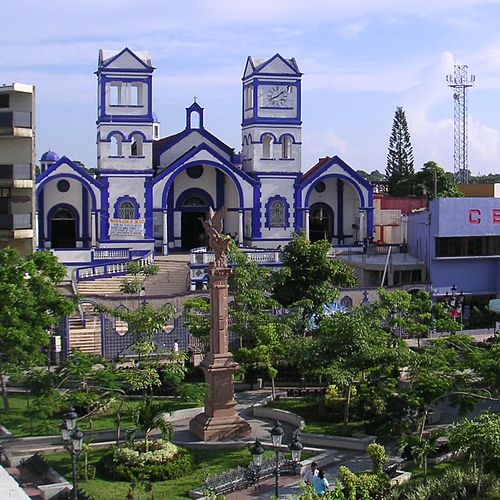
Minatitlán is a significant city located in the state of Veracruz, Mexico, situated along the banks of the Coatzacoalcos River. Known for its strategic importance, Minatitlán serves as a vital transportation hub in southeastern Mexico, connecting various regions through its extensive road and rail networks. The city was officially founded in the late 19th century, though it has roots dating back to ancient Mesoamerican civilizations. Over the years, it has developed into an industrial powerhouse primarily due to its proximity to the oil-rich region of Veracruz. The city is home to one of the largest oil refineries in the country, contributing significantly to the local economy and generating employment opportunities.
The population of Minatitlán is diverse, with a rich cultural heritage that reflects its historical significance. The city boasts several landmarks, including the Church of San Pedro, which showcases beautiful architecture and plays a central role in the community's cultural life. Additionally, Minatitlán attracts visitors with its vibrant festivals, particularly the annual Carnival, which celebrates music, dance, and local traditions. The city's main economic activities also extend beyond oil, encompassing agriculture, commerce, and services, making it a multifaceted urban center. As a result of its industrial base, Minatitlán faces both opportunities and challenges, including environmental concerns and the need for sustainable urban development. Overall, Minatitlán is a city characterized by its industrial significance, cultural richness, and ongoing transformation in the contemporary landscape of Mexico.
Facts about Minatitlán
- Minatitlán is known for its significant oil industry, being home to one of the largest oil refineries in Latin America, operated by PEMEX.
- The city was founded in 1904 and played a crucial role in the economic development of the Veracruz region due to its strategic location for trade.
- Minatitlán serves as an important transportation hub in the Gulf Coast region, with access to both rail and waterway transport, facilitating trade and commerce.
- The city hosts the annual Feria de Minatitlán, celebrating local culture, art, and cuisine, attracting visitors from across the region.
- Minatitlán is home to the historic Church of San Juan Bautista, a notable example of colonial architecture, reflecting the city's rich cultural heritage.
- The city has a diverse population, with influences from indigenous cultures, Spanish colonization, and migrant communities from other parts of Mexico.
- Minatitlán's coastal location near the Coatzacoalcos River provides unique biodiversity, making the surrounding area a destination for ecotourism and nature conservation.
- The city was significantly affected by the 1979 Minatitlán oil spill, one of Mexico's worst environmental disasters, leading to increased focus on environmental regulations.
- Minatitlán played a historical role in the development of the region's agriculture, especially in the cultivation of sugarcane and rubber, contributing to its economic growth.
- The city's name, Minatitlán, comes from the Nahuatl language, meaning 'among the waters,' highlighting its geographical characteristics related to water bodies.