Minna, Nigeria
- 425,000 people
- 5 places to visit
- 9.5836, 6.5463
Places to Visit (5)
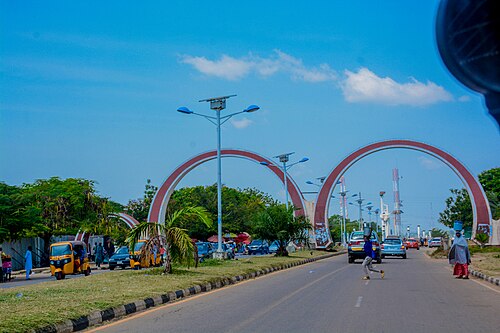
Minna is the capital city of Niger State in central Nigeria, situated approximately 160 kilometers northwest of the Nigerian capital, Abuja. The city plays a significant administrative and commercial role in the region, serving as a hub for trade and commerce due to its strategic location and transport networks. Founded in the early 19th century, Minna rose to prominence as a center of the Gwari people, an indigenous group known for their vibrant culture and agricultural activities. The city features a blend of modern and traditional architecture, reflecting its historical significance and contemporary growth.
Economically, Minna is characterized by agriculture, mining, and small-scale manufacturing. The fertile lands surrounding the city support the cultivation of crops such as maize, millet, and yams, making agriculture a pivotal part of the local economy. Additionally, Minna has mineral resources, including limestone and granite, which have attracted mining activities. The city is also known for local markets that serve as important trading posts for food products, textiles, and crafts, fostering economic opportunities for residents.
Minna boasts various educational institutions, healthcare facilities, and recreational areas, contributing to overall community development. Notable institutions include the Federal University of Technology, Minna, which offers diverse academic programs and fosters research. The city is culturally rich, with numerous festivals and events that celebrate its heritage. The Gwari people's traditions and practices are prominent, and these are often showcased during cultural festivals that attract visitors. Overall, Minna is a city with a unique blend of tradition and modernity, striving to balance its historical roots with the needs of a growing population.
Facts about Minna
- Minna is the capital city of Niger State in Nigeria, known for its unique geographical location at the confluence of two major rivers: the Niger and the Kaduna.
- The city is renowned for the famous Kainji Dam, which is one of the largest dams in Nigeria, providing hydroelectric power to the surrounding regions.
- Minna is home to the famous Nigerian Railway Corporation's railway line, which played a vital role in the transportation of goods and people across Nigeria during its early development.
- The city is historically significant due to the Majigi Mosque, an important cultural and religious site that showcases traditional Islamic architecture.
- Minna serves as a hub for higher education, hosting the Niger State Polytechnic and the Federal University of Technology, Minna, contributing to the educational landscape of Nigeria.
- The city has a strong cultural heritage, celebrating the Nupe people, who are known for their unique craftsmanship, especially in pottery and textiles.
- Minna is known for the annual Minna Carnival, which showcases local music, dance, and traditional sporting events, enhancing cultural tourism in the region.
- It is distinguished by its close proximity to the famous Gurara Waterfalls, a natural attraction that draws visitors for sightseeing and recreational activities.
- Minna has played a pivotal role in Nigerian politics, having been the birthplace and residence of several prominent political figures and military leaders.
- The city's economy is bolstered by agricultural activities, particularly in the cultivation of crops like yam, maize, and rice, benefiting from its fertile land.