Minneapolis MN, United States
- 410,939 people
- 14 places to visit
- 44.9778, -93.265
Places to Visit (14)
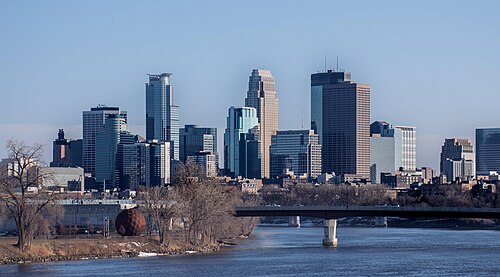
Minneapolis, located in the southeastern part of the state of Minnesota, is the largest city in the state and the 16th largest in the United States. It is part of the Twin Cities metropolitan area, which includes its neighbor, St. Paul. Minneapolis is known for its rich cultural heritage, diverse population, and significant role in the economy and politics of Minnesota. The city occupies approximately 59.5 square miles and is situated on both banks of the Mississippi River. It features a mix of urban and natural landscapes, including numerous lakes, parks, and waterways. The city’s name is derived from the Dakota Sioux word for "water" and the Greek word "polios," meaning "city," reflecting its history and relationship with the river.
Minneapolis boasts a vibrant arts scene, with institutions such as the Walker Art Center and the Guthrie Theater drawing visitors from around the world. The city's downtown area is home to numerous high-rise buildings, including the IDS Center, which is the tallest building in Minnesota. Additionally, Minneapolis is celebrated for its commitment to sustainability and urban planning, evident in its extensive bike paths and public transportation systems. The city is also recognized for its strong economy, driven by major companies like Target, U.S. Bancorp, and Xcel Energy, as well as its robust healthcare sector, anchored by the Mayo Clinic and other institutions. A hub for education, Minneapolis is home to several colleges and universities, including the University of Minnesota, which contributes to its youthful and dynamic character. The city’s diverse population is reflected in its neighborhoods, each with its own unique identity, making Minneapolis a significant center for cultural exchange and innovation.
Facts about Minneapolis
- Minneapolis is home to the Mall of America, the largest shopping mall in the United States, featuring over 500 stores, an indoor amusement park, and an aquarium.
- The city is known for its extensive park system, which includes over 180 miles of trails and 11 lakes, making it one of the most parkland-dense cities in the country.
- Minneapolis is nicknamed 'The City of Lakes' due to its abundance of lakes – there are 22 lakes within the city limits, offering numerous recreational activities.
- The first Flour Mill in the city was built in 1856, leading Minneapolis to become the flour milling capital of the world by the late 1800s, a title still remembered today.
- Minneapolis is the birthplace of the iconic music legend Prince, and the city celebrates his legacy with venues like First Avenue and events such as the Prince Tribute concert.
- The Minneapolis skyline is known for its stunning collection of modern architecture, which includes the IDS Center, the tallest building in the state.
- The city hosts the annual Aquatennial, a summer festival that celebrates the lakes and rivers of Minneapolis with a variety of events, including the famous CenterPoint Energy Torchlight Parade.
- Minneapolis is known for its vibrant arts scene, housing the Walker Art Center and the Minneapolis Institute of Art, both of which feature extensive collections and exhibitions.
- The city played a significant role in the Civil Rights Movement, particularly with the formation of the ‘Minneapolis 13’ in 1964, which aimed to end racial discrimination in housing and employment.
- In 1990, the city became the first in the nation to establish a comprehensive policy to support and promote the use of renewable energy and sustainability initiatives.