Miri, Malaysia
- 300,543 people
- 13 places to visit
- 4.3995, 113.9914
Places to Visit (13)
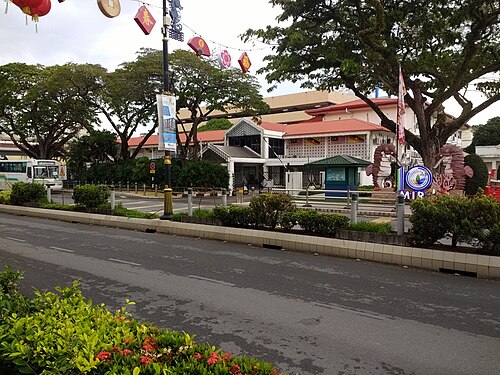
Miri is a vibrant city located on the northeastern coast of Sarawak, Malaysia, recognized as the second-largest city in the state after Kuching. Founded in 1910, Miri rose to prominence due to its rich natural resources, particularly oil, which was discovered in the early 20th century. This discovery transformed Miri from a small fishing village into a bustling town, marking the start of Malaysia’s oil industry. Today, Miri is a crucial economic center, with its economy bolstered by oil and gas exploration, agriculture, and tourism. The city serves as a gateway to a range of natural wonders, offering easy access to the pristine wilderness of Borneo, including nearby national parks like Mulu National Park, a UNESCO World Heritage site known for its stunning limestone karst formations and extensive cave systems.
In addition to its economic activities, Miri is renowned for its diverse cultural landscape. The city is home to a mosaic of ethnic groups, including the Iban, Malay, Chinese, and various indigenous communities, each contributing to the rich local culture and traditions. Miri hosts several annual events and festivals that reflect this multiculturalism, such as the Miri International Jazz Festival and the Miri Country Music Festival, attracting both local and international visitors. As a coastal city, Miri also offers beautiful beaches and recreational opportunities, making it a popular destination for both residents and tourists. With a population of around 300,000 people, Miri combines modern urban development with a laid-back lifestyle, making it an attractive place to live, work, and explore the natural beauty of Borneo.
Facts about Miri
- Miri is known as the 'Gateway to the Borneo Rainforest' and is a key access point for tourists visiting the diverse natural landscapes of Borneo.
- The city is famous for its oil production; Miri's discovery of oil in 1910 marked the beginning of Malaysia's petroleum industry.
- Miri is home to the Mulu Caves, a UNESCO World Heritage site, which features some of the world's longest networks of caves and the world's largest cave chamber, Sarawak Chamber.
- Miri has a unique blend of cultural diversity, with significant communities of Chinese, Malay, and Indigenous peoples, each contributing to the city's vibrant culture.
- The city hosts the annual Miri International Jazz Festival, which attracts musicians and jazz lovers from around the world, making it a notable event in Malaysia's music scene.
- Miri is known for its beautiful beaches, such as Tanjung Lobang, which are among the most popular in Malaysia for both locals and tourists.
- The Miri Sports Complex hosts various sporting events and was a venue for the Malaysia Games (Sukma) which showcased the city’s capacity for hosting larger sports events.
- Miri is also recognized for its eco-tourism initiatives, promoting sustainable tourism practices that help preserve local ecosystems while attracting visitors.
- The city has a vibrant culinary scene, with Miri's night markets being popular for traditional Malaysian street food and fresh seafood.
- Miri is home to several indigenous communities, including the Kelabit and Lun Bawang, preserving unique traditions, crafts, and languages that are distinct within Malaysia.