Mitrovicë, Kosovo
- 107,045 people
- 3 places to visit
- 42.8914, 20.866
Places to Visit (3)
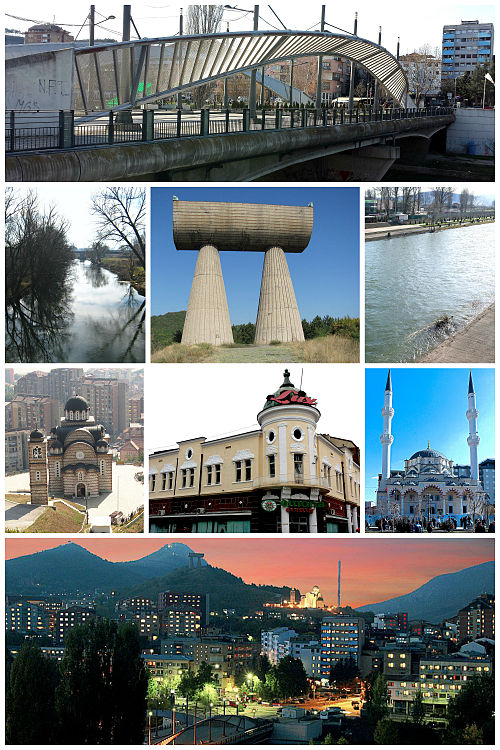
Mitrovicë, located in northern Kosovo, is a city of significant historical, cultural, and political importance. The city is situated at the confluence of the Ibar River and is divided into two parts: the predominantly Albanian southern area and the majority Serbian northern section, separated by the Ibar River. Mitrovicë's strategic position has made it a focal point for various conflicts in the region, particularly during the Yugoslav Wars in the 1990s and the subsequent Kosovo War in 1999, leading to a complex demographic and political landscape that continues to evolve today.
The city's history dates back to Roman times, and it has witnessed numerous cultural influences due to its geographical location. Mitrovicë has developed a vibrant community with a rich cultural heritage that reflects its diverse population. The southern part, home to ethnic Albanians, features distinct Albanian cultural elements, including traditional music and cuisine. In contrast, the northern section, predominantly inhabited by ethnic Serbs, maintains Serbian cultural traditions, symbolized by historical churches and community practices. Following Kosovo's declaration of independence in 2008, Mitrovicë became a significant site of ethnic tension, with protests and clashes occurring sporadically as groups navigated the complexities of national identity and territorial claims.
As of today, Mitrovicë faces ongoing challenges related to political instability, economic development, and inter-ethnic relations. The city has seen international efforts aimed at promoting dialogue between communities, with organizations like the European Union actively involved in peacebuilding and governance initiatives. Despite the tense atmosphere, Mitrovicë is also a place of resilience and hope, as local leaders and citizens strive for coexistence and mutual respect. The city serves as a microcosm of the broader issues facing Kosovo, such as integration into European structures and the pursuit of long-term stability in the Western Balkans. With its tumultuous history and dynamic present, Mitrovicë remains a critical area for understanding the past and future trajectories of Kosovo.
Facts about Mitrovicë
- Mitrovicë is known for the Ibar River, which divides the city into two distinct parts: North Mitrovicë and South Mitrovicë, reflecting the ethnic divide between Serbs and Albanians.
- The city has a rich mining background, with significant lead and zinc deposits that were historically mined at the nearby Trepča mines, which once ranked among the largest mining complexes in the former Yugoslavia.
- Home to the historic 'Mitrovica Bridge', an iconic structure that connects the northern and southern parts of the city, symbolizing attempts at reconciliation and unity.
- Mitrovicë was declared a city in 2000, but its history dates back to Roman times, when it was known as 'Dardania' and became an important center for trade and culture.
- The local soccer club, KF hisht, has a passionate following and has been a representation of community spirit in the city, especially during local derbies.
- One of the notable events in recent history includes the 2013 European Union-mediated agreement aimed at normalizing relations between Kosovo and Serbia, with Mitrovicë being a focal point.
- Mitrovicë hosts the 'Ethnographic Museum', which showcases the cultural heritage of the city and the surrounding region, including traditional costumes, artifacts, and crafts.
- The city is also known for its vibrant street art and murals, which often reflect historical events, cultural identity, and social issues faced by its residents.
- In terms of education, Mitrovicë is home to a branch of the University of Mitrovica, which serves as an important educational institution for the region, promoting higher education access.
- Annually, Mitrovicë holds the 'Mitrovica Rock School', attracting young musicians and fostering local talent while celebrating the city’s rich cultural scene.