Mixquiahuala de Juarez, Mexico
- 25,510 people
- 14 places to visit
- 20.2304, -99.2107
Places to Visit (14)
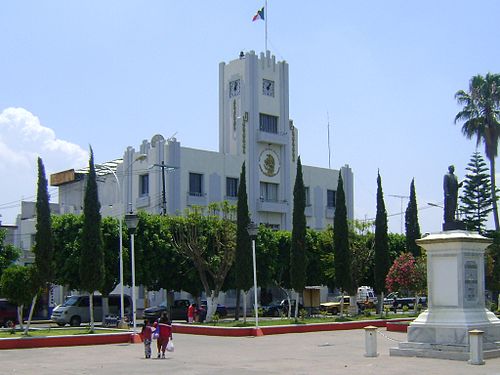
Mixquiahuala de Juárez is a municipality and town located in the state of Hidalgo, Mexico. Situated approximately 50 kilometers northeast of Mexico City, Mixquiahuala de Juárez is known for its rich history and cultural significance. The town's name is derived from the Nahuatl language, which translates to "in the place of the Mixquiahuala." Historically, this area was inhabited by indigenous peoples, and remnants of pre-Hispanic civilizations can be found nearby. Today, Mixquiahuala serves as an urban center for surrounding rural communities, contributing to its socio-economic development.
The town features a blend of modern amenities and traditional Mexican culture. Notably, Mixquiahuala de Juárez boasts a main square, or plaza, characterized by colonial architecture, vibrant markets, and local eateries. The annual festivities and religious celebrations, such as those honoring the Virgin of Guadalupe, reflect the town's deep-rooted traditions and community spirit. Agriculture plays a significant role in the local economy, with the cultivation of corn, beans, and maguey (a plant used for making pulque) being prevalent. Additionally, Mixquiahuala's location provides access to surrounding agricultural areas, making it a vital hub for trade.
Mixquiahuala de Juárez is also recognized for its efforts in urban development and modernization, featuring improved infrastructure, educational institutions, and healthcare facilities to benefit its residents. The blend of historical significance, cultural richness, and agricultural importance makes Mixquiahuala a notable town within the Hidalgo region, reflecting the diverse tapestry of life in Mexico. As it continues to grow and evolve, the town retains its charm and connection to its roots, attracting visitors who wish to explore authentic Mexican culture away from the larger metropolitan areas.
Facts about Mixquiahuala de Juarez
- Mixquiahuala de Juarez is known for its rich history, having been founded in the 16th century and named after the Nahuatl word 'Mixquiahual,' meaning 'place of the mist.'
- The city is home to the annual Feria de la Laja, a traditional fair that celebrates local culture, music, and gastronomy with activities that attract thousands of visitors.
- Mixquiahuala has a notable agricultural economy, particularly known for its production of mezquite wood and other regional crops, distinguishing it from many urban-centric areas in Mexico.
- The town features beautiful colonial architecture, including the Church of San Juan Bautista, built in the 18th century, which showcases Baroque-style elements.
- Mixquiahuala is situated at the intersection of major highways, making it a strategic logistical hub for trade and transportation in the region of Hidalgo.
- The city has a rich sporting culture, particularly in soccer, with local teams representing the community in various regional competitions.
- Mixquiahuala celebrates its Día de Muertos (Day of the Dead) traditions with unique local customs and decor that highlight its indigenous heritage and festive spirit.
- The city has historical significance related to the Otomi people, one of the indigenous groups in Mexico, and it preserves many aspects of their culture and traditions.
- Not far from the city are the archaeological ruins of Tula, an ancient Toltec city, making Mixquiahuala a gateway for visitors interested in Mesoamerican history.
- Mixquiahuala de Juarez's name honors one of the most noted figures in Mexican history, Benito Juárez, reflecting the city's pride in its national heritage.