Mizunami, Japan
- 37,705 people
- 16 places to visit
- 35.3618, 137.2546
Places to Visit (16)
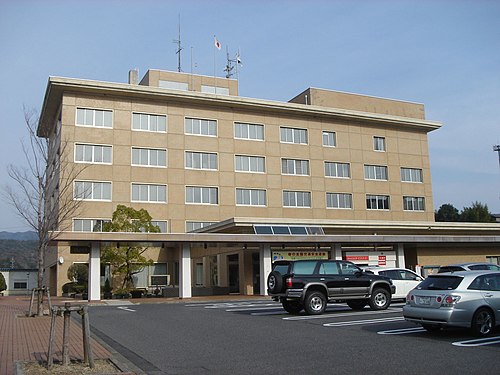
Mizunami is a city located in Gifu Prefecture, Japan, situated in the Chūbu region on the main island of Honshu. With a population of approximately 25,000 residents, Mizunami covers an area of about 115.38 square kilometers. The city was officially established on March 27, 1954, through the merger of several towns and villages but has historical roots that date back centuries. The region is characterized by its mountainous terrain and abundant natural resources, particularly its significant limestone deposits, which have been exploited for various industrial uses, including cement production. The economy of Mizunami benefits from both agriculture and manufacturing, with notable local products such as Mizunami pottery, which reflects traditional Japanese ceramic artistry.
Mizunami is well-known for its rich cultural heritage and offers several attractions for both residents and visitors. The city is home to the Mizunami Fossil Museum, which showcases the area’s paleontological significance, particularly its impressive collection of fossilized specimens, including dinosaur bones discovered in the surrounding region. Additionally, the city hosts various festivals and events throughout the year, celebrating traditional customs and seasonal activities that foster community spirit. Mizunami also serves as a gateway to the scenic outdoor attractions of the surrounding valleys and mountains, making it a popular destination for hiking and nature enthusiasts. The property of Mizunami's scenic beauty, combined with its industrial history and cultural significance, contributes to its unique identity within Gifu Prefecture and Japan as a whole.
Facts about Mizunami
- Mizunami is known for its rich history of pottery, particularly stoneware, which has been produced in the region for over 400 years, distinguishing it from other towns.
- The city is home to the Mizunami Fossil Museum, which features a collection of over 230,000 fossils, making it a significant site for paleontological research in Japan.
- Mizunami held the original headquarters of the 'Mizunami Commission of the Japanese Red Cross,' highlighting its historical contribution to public health and humanitarian efforts.
- The local tradition of 'Mizunami-style' katsuobushi (dried bonito flakes) processing is unique to the area, giving it a distinct flavor profile cherished by chefs across Japan.
- Mizunami's natural terrain includes the Ibigawa River and several mountains, making it a prominent location for outdoor activities and nature tourism, setting it apart from more urbanized cities.
- The city hosts the annual Mizunami Fireworks Festival, which features a display of over 10,000 fireworks and attracts visitors from various regions, differing from many smaller local festivals.
- Mizunami is notable for its dedication to geological studies, particularly the study of the Nobi Plain, where researchers explore the area's unique seismic activity and geological formations.
- Home to the historic Mizunami Castle ruins, which date back to the feudal era, the site offers insights into the region's samurai history, making it a point of interest for history enthusiasts.
- The city has a thriving agricultural scene, with specifically cultivated fruits such as persimmons and apples, making it a notable area for fresh produce in the Gifu Prefecture.
- Mizunami is recognized for its efforts in disaster preparedness and recovery programs, striving to create a model for other cities in earthquake-prone areas.