Mława, Poland
- 29,398 people
- 12 places to visit
- 53.1123, 20.3837
Places to Visit (12)
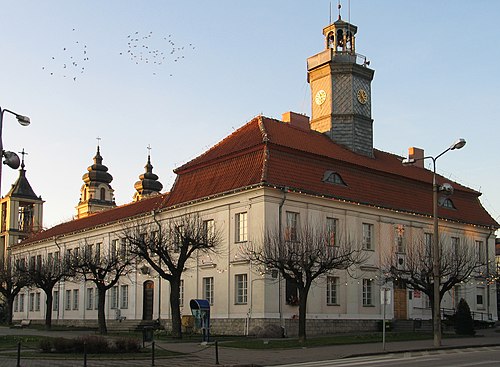
Mława is a city located in the Masovian Voivodeship of Poland, situated approximately 110 kilometers northwest of Warsaw. It serves as the administrative center of Mława County and is one of the significant urban centers in the region. The city is characterized by its rich history, which dates back to the medieval period. Mława was granted town rights in 1428 and quickly developed as a center for trade, benefiting from its strategic location along vital transportation routes. This development facilitated economic growth, especially during the 19th century when the railway system expanded, linking the city to larger urban areas.
Mława is historically significant due to its involvement in various geopolitical events. During World War II, the city was occupied by German forces, and its population experienced substantial hardships, including the establishment of a ghetto. Today, Mława is a vibrant city that balances its historical heritage with modern development. The urban landscape features a mix of historical architecture and contemporary buildings, with notable sites such as the Church of the Assumption of the Blessed Virgin Mary and the remains of a 14th-century brick castle. The city also places a strong emphasis on education and culture, housing several schools, museums, and centers for the arts. Mława’s economy is primarily driven by agriculture and small to medium-sized enterprises, with ongoing efforts to attract new investments and foster economic development. Its growth as a local hub for commerce and services further underscores its importance in the Masovian region, while the surrounding natural landscape offers opportunities for outdoor activities and tourism.
Facts about Mława
- Mława is known for its rich history dating back to the 13th century, having been granted city rights in 1426.
- The Battle of Mława, which occurred in September 1939, was one of the significant battles during the invasion of Poland in World War II.
- Mława is home to the unique Gothic-style St. Mary’s Church, a key historical landmark that dates back to the late 14th century.
- The city is situated at the confluence of several rivers, including the Mława River, making it a vital point for water transport historically.
- Mława is recognized for its local traditions and crafts, particularly in weaving, which have been passed down through generations.
- The Mława Educational Center is known for its innovative programs in vocational training, aiming to equip youth with practical skills.
- Mława hosts an annual cultural event called the 'Mławski Summer Festival', which showcases local arts, music, and cuisine.
- The city's location in the Masuria region makes it a gateway for exploring the picturesque lakes and natural landscapes of northeastern Poland.
- Mława has a vibrant economic sector, bolstered by local industries including food processing and textile manufacturing.
- The local historical museum in Mława features a range of exhibits that highlight the city's development and contributions to Polish history.