Moa, Cuba
- 92,852 people
- 1 places to visit
- 20.6575, -74.9501
Places to Visit (1)
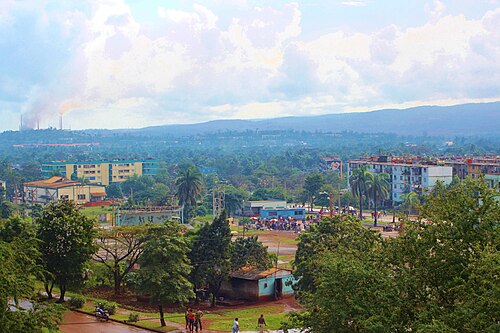
Moa is a municipality and city located in the Holguín province of Cuba, perched on the northeastern coast of the island. Known for its rich mining history and beautiful natural surroundings, Moa is situated near notable landmarks like the Sierra de Moa mountains and the lush vegetation of the nearby territories. The town has a population of approximately 35,000 residents, who primarily engage in nickel mining, which is the major economic driver in the region. The Moa Nickel Plant, one of the largest in the world, is a key component of the local economy and has shaped the development of the town since it was established in the mid-20th century.
In addition to its industrial significance, Moa is also a site of rich biodiversity and a unique geological environment, making it attractive for ecotourism. The surrounding areas boast a variety of flora and fauna, along with several natural parks and protected areas. Visitors can explore the stunning landscape, engage with local culture, and discover the traditional agricultural practices of the region. The combination of economic development and natural beauty positions Moa as a noteworthy destination within Cuba, highlighting the balance between industry and ecological preservation in its ongoing growth and evolution.
Facts about Moa
- Moa is known for its significant nickel production, being one of the largest nickel producers in the world.
- The city is located in the eastern part of Cuba, specifically in the Holguín province, surrounded by lush natural landscapes.
- Moa was founded in 1953 and has a unique blend of industrial development alongside lush tropical flora.
- The area is home to the Alejandro de Humboldt National Park, a UNESCO World Heritage Site, which showcases diverse ecosystems and endemic species.
- Moa serves as a strategic point for several archaeological sites, including remnants of the Taino indigenous people who inhabited the region.
- The city has a distinct Afro-Cuban cultural influence, visible in its music, dance, and local festivals.
- Moa's climate is semi-arid, which sets it apart from other Cuban cities that may have more humid tropical climates.
- The city is also known for its proximity to one of Cuba's largest wind farms, contributing to the island's renewable energy goals.
- Moa has a vibrant community engaged in the arts, with several local artists and musicians promoting Cuban culture through their works.
- Unlike many other Cuban cities, Moa has a relatively modern industrial infrastructure focused on mining and processing industries.