Mocuba, Mozambique
- 196,001 people
- 2 places to visit
- -16.8402, 36.9649
Places to Visit (2)
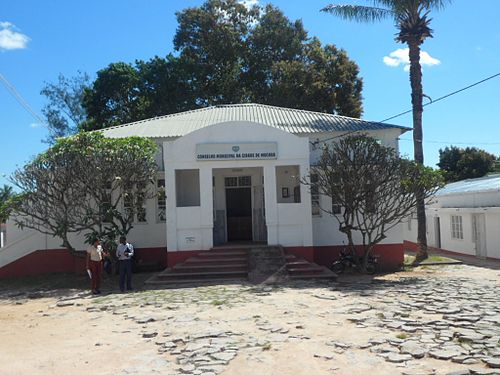
Mocuba is a city located in the Zambezia Province of Mozambique, situated along the banks of the Zambezi River. It serves as the capital of the Mocuba District and has significant historical and economic relevance in the region. The city is approximately 400 kilometers northeast of the Mozambican capital, Maputo, and acts as a vital administrative and commercial center. Mocuba has a population of around 100,000 residents, reflecting a diverse mix of ethnic groups and cultures typical of Mozambique. The city is known for its rich agricultural surroundings, with farming being a primary source of income for many inhabitants. Key crops include rice, cassava, maize, and cotton, which are essential for both local sustenance and trade.
Mocuba is also notable for its transportation connections, including the Mozambican national railway and several key roads that link it to other important cities. This accessibility has made it a hub for trade and commerce, enabling the movement of goods and services within the region. The architecture of Mocuba features a blend of traditional and colonial influences, showcasing the city’s historical development over the years. Among its various attractions, the nearby Zambezi River offers opportunities for fishing and tourism, enriching both local culture and the economy. However, Mocuba faces challenges, particularly in terms of infrastructure and development, which impact public services and economic growth. Initiatives to address these issues are ongoing, aiming to improve living standards and harness the city's potential as a regional center.
Facts about Mocuba
- Mocuba is known for its historical significance as an important trading post during the colonial era, especially for the movement of goods between the interior and the coastal regions of Mozambique.
- The city is located along the banks of the Zambezi River, providing it with unique ecological and geographical attributes that have influenced its development.
- Mocuba is famous for its production of cashew nuts, contributing significantly to the local and national economy, making it a key agricultural hub in Mozambique.
- The city hosts the annual Mocuba Festival, which celebrates the culture, music, and traditions of the region, attracting visitors and promoting local talent.
- Mocuba has a rich cultural heritage that includes various indigenous ethnic groups, contributing to its diverse traditions, festivals, and culinary practices.
- The city played a crucial role in the Mozambican Civil War (1977-1992) and has since become a symbol of resilience and recovery for its communities.
- Mocuba features the iconic Igreja Matriz de Mocuba (Mocuba Cathedral), an architectural landmark known for its unique design and historical significance.
- Mocuba is well-connected by the main roads leading to major cities in Mozambique, making it a vital transportation hub for commerce and trade.
- The nearby Lake Niassa offers recreational opportunities and supports diverse wildlife, making Mocuba a gateway for eco-tourism in the region.
- Mocuba has seen significant investment in infrastructure projects in recent years, improving access to education, healthcare, and economic opportunities for its residents.