Mölndal, Sweden
- 59,430 people
- 16 places to visit
- 57.65, 12.0167
Places to Visit (16)
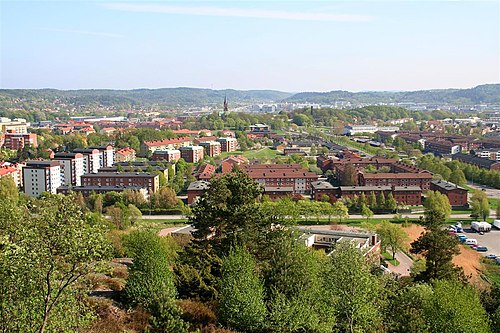
Mölndal is a locality and the seat of Mölndal Municipality in Västra Götaland County, Sweden. Situated just south of Gothenburg, it forms part of the Gothenburg metropolitan area. The city is notable for its rich history, with roots dating back to the Middle Ages. One of its well-known landmarks is the Mölndal Church, which dates back to the late 14th century, showcasing the area’s medieval architecture. The city experienced significant industrial growth in the 19th century, which transformed it from a small agricultural community into an industrial hub. This period saw the establishment of various factories, particularly in the textile and iron industries, boosting the local economy and attracting a growing population.
In contemporary times, Mölndal is recognized as a thriving urban center, known for its blend of residential neighborhoods, commercial spaces, and green areas. The city features well-developed infrastructure, including public transportation systems that connect it seamlessly to Gothenburg and surrounding regions. Mölndal is home to several shopping centers, including the popular Mölndal Galleria, offering a mix of retail, dining, and entertainment options. The city also emphasizes education and healthcare, hosting institutions like Mölndal's hospital, which is one of the largest in the region, and facilities that provide quality education, making it an attractive place for families.
Mölndal embraces its historical roots while also focusing on sustainable development. The nearby hills and parks, such as the Delsjö area, offer outdoor recreational activities, including hiking and biking, contributing to the city's livability. Furthermore, Mölndal has made strides in promoting environmental sustainability, showcased through various green initiatives and projects aimed at reducing carbon footprints. As a result, Mölndal stands out not just for its historical significance, but also as a modern city that prioritizes quality of life and environmental stewardship, making it a desirable location for both residents and businesses alike.
Facts about Mölndal
- Mölndal is known for its rich industrial history, particularly in the production of textiles and pharmaceuticals, dating back to the 18th century.
- The city is home to the Gunnebo House and Gardens, a famed 18th-century mansion that is a regional cultural treasure and a UNESCO World Heritage Site candidate.
- Mölndal features the unique Slottsskogen, a park that combines natural beauty with historic structures like the 17th-century Mölndals Church.
- The city has a significant historical connection to the paper manufacturing industry, with the first paper mill in Sweden being established here in the late 16th century.
- Mölndal's location adjacent to Gothenburg and its integration into the Gothenburg urban area make it one of the fastest-growing municipalities in Sweden.
- The Mölndal River runs through the city, and its picturesque waterfront has developed into a popular area for leisure and recreation.
- Mölndal hosts the annual Mölndal City Festival, which attracts visitors with live music, local cuisine, and cultural exhibitions, celebrating the community spirit.
- Mölndal is notable for its innovative public transport system, including direct tram services to Gothenburg that enhance connectivity and urban development.
- The city is home to several major companies, including medical technology firms, contributing to its reputation as a center for health-related industries.
- Mölndal's culture is enriched by various museums, such as the Mölndals Museum, which showcases local history and heritage through engaging exhibitions.