Mönchengladbach, Germany
- 261,742 people
- 17 places to visit
- 51.1942, 6.4315
Places to Visit (17)
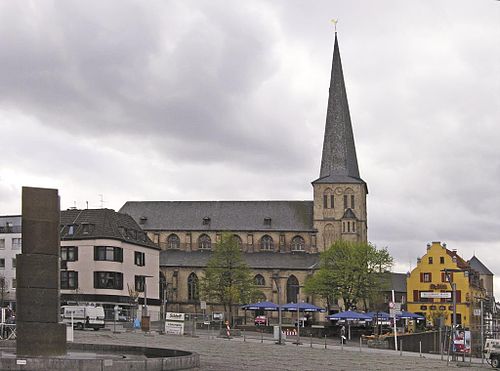
Mönchengladbach is a vibrant city located in western Germany, within the federal state of North Rhine-Westphalia. It lies approximately 30 kilometers west of Düsseldorf and is part of the Greater Rhine-Ruhr metropolitan area. The city has a rich history that dates back to its founding in the early 13th century, originally around the Abbey of Gladbach. The name Mönchengladbach derives from the Latin "monasterium" (monastery) and references the monks associated with the Abbey. Throughout its history, the city developed its textile production and manufacturing industries, which significantly contributed to its economic foundation in the 19th and early 20th centuries.
Mönchengladbach is known for its cultural offerings and beautiful parks, with numerous green spaces that enhance the quality of life for its residents. The city features several museums, including the Museum Abteiberg, notable for its collection of contemporary art and its striking architectural design by artist Hans Hollein. The local economy has diversified over the years, moving beyond traditional industries to include sectors such as technology, logistics, and healthcare. Mönchengladbach also boasts a strong sports culture, most prominently represented by its football team, Borussia Mönchengladbach, which has a storied history in German football and has experienced significant success in the Bundesliga.
The city's transport infrastructure is well-developed, with efficient public transport systems that connect Mönchengladbach to other major urban centers. The city's location makes it an attractive hub for both business and leisure, with easy access to the Netherlands and Belgium. Mönchengladbach hosts various annual events and festivals that reflect its vibrant community life, including traditional Christmas markets and cultural celebrations that draw visitors from near and far. The combination of its historical significance, cultural richness, and economic dynamism positions Mönchengladbach as a unique and appealing destination in Germany.
Facts about Mönchengladbach
- Mönchengladbach is home to one of Germany's oldest textile industries, with a history dating back to the 19th century.
- The city hosts the Borussia Mönchengladbach football club, one of Germany’s most successful football teams, with multiple league titles and a storied history.
- Mönchengladbach features the stunning Abteiberg Museum, known for its modern and contemporary art, and is a standout in the city’s cultural landscape.
- The city's architecture reflects a unique blend of historical influences, including the remnants of its former status as a mining town.
- Mönchengladbach celebrated its 1000th anniversary in 1991, marking its historical significance in the region.
- The city is distinguished by its proximity to the Lower Rhine region, providing a unique cultural convergence with neighboring cities and countries, particularly Belgium and the Netherlands.
- Mönchengladbach is known for its annual Caritas Cup, a charity football tournament that brings attention to social causes.
- The St. Vitus Basilica in Mönchengladbach is one of the few churches in the region featuring Romanesque architecture, setting it apart from many others in Germany.
- The city's parks and green spaces, such as Bunter Garten, stand out in Nordrhein-Westfalen for their design and biodiversity, promoting recreational activities.
- Mönchengladbach has a strong connection to the German porcelain industry, being home to several historical porcelain factories that shaped local craftsmanship.