Moers, Germany
- 103,487 people
- 11 places to visit
- 51.4516, 6.6408
Places to Visit (11)
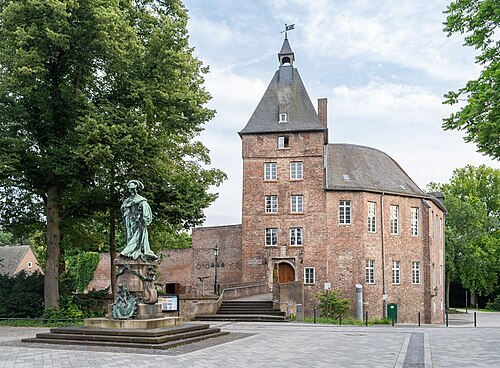
Moers is a town located in the North Rhine-Westphalia region of Germany, situated approximately 15 kilometers northwest of Düsseldorf and near the banks of the Rhine River. With a population nearing 40,000 inhabitants, Moers is part of the Ruhr area, an important industrial region of Germany known for its history in coal mining and steel production. The town is characterized by a blend of historical architecture and modern amenities, making it an appealing destination for both residents and visitors. Its history dates back to Roman times; it was originally a military camp and later developed into a significant settlement in the Middle Ages.
One of the key attractions in Moers is the historic castle, Schloss Moers, which dates back to the 13th century. The castle, surrounded by a beautiful park, plays host to various cultural events and activities throughout the year, enhancing the town's cultural landscape. Moers is also known for its vibrant arts scene, highlighted by numerous galleries, theaters, and music events. The annual Moers Festival, which celebrates jazz music, attracts artists and audiences from all over the country and abroad, showcasing the town’s commitment to cultural diversity. In addition to the arts, Moers benefits from a well-developed infrastructure, including schools, healthcare facilities, and a range of recreational opportunities, such as parks and sports facilities, contributing to the quality of life for its residents.
The economy of Moers has evolved over the years, moving away from its traditional manufacturing base to a more diversified economic landscape. Today, the town hosts various businesses in sectors such as logistics, retail, and services, while still maintaining a connection to its industrial heritage. Moers is well-connected by public transportation, featuring rail services that provide easy access to nearby cities and regions, making it a desirable location for commuting professionals. The blend of cultural, historical, and economic attributes positions Moers as a significant town within North Rhine-Westphalia, reflecting both the rich history and the dynamic future of the area.
Facts about Moers
- Moers is home to the historic Moers Castle, which dates back to the 12th century and is a significant landmark in the region.
- The city hosts the annual Moers Festival, one of Europe's largest jazz festivals, attracting international artists and jazz enthusiasts every spring.
- Moers has a rich coal mining history and was once a center for the coal industry in the Ruhr area, influencing its economy and development.
- The city's name is derived from the Latin word 'Maurus', reflecting its historical connections to Roman times and settlements.
- Moers is known for its beautiful parks and green spaces, including the scenic Stadtpark, which provides a recreational haven in the urban environment.
- The town celebrated its 650th anniversary of being granted town rights in 2019, marking a long history of governance and urban development.
- Moers has a unique cultural identity, influenced by the nearby city of Duisburg, yet retaining its own traditions and local festivals.
- The Moerser Künstlertage is a popular art event that showcases local and regional artists, promoting culture and creativity in the area.
- The city features a distinctive mixture of architectural styles, including historical buildings and modern developments, reflecting its evolution over the centuries.
- Moers is strategically located near the borders of the Netherlands, making it a charming gateway for cross-border cultural exchange.