Mogi das Cruzes, Brazil
- 325,746 people
- 13 places to visit
- -23.5217, -46.186
Places to Visit (13)
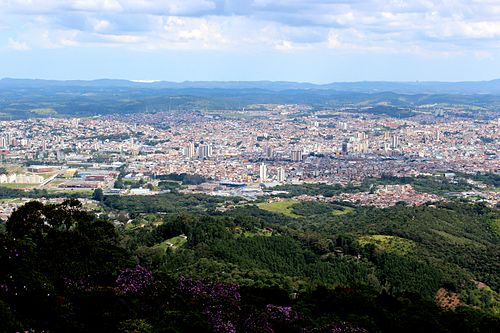
Mogi das Cruzes is a city located in the state of São Paulo, Brazil, situated approximately 60 kilometers east of the capital, São Paulo. With a population of nearly 450,000 inhabitants, it ranks as one of the largest municipalities in the Greater São Paulo metropolitan area. The city is nestled in a valley, surrounded by the Eastern Mountain Range, and features a subtropical climate, characterized by distinct wet and dry seasons. Originally founded in 1560, Mogi das Cruzes has a rich historical background, seen in its colonial architecture and cultural heritage. Its name derives from the Tupi-Guarani language, meaning "place of the cries," perhaps referencing local indigenous groups.
Economically, Mogi das Cruzes has transitioned from its historical reliance on agriculture, particularly the cultivation of sugarcane, to a more diverse economy that includes commerce, services, and manufacturing. The city is also known for its production of food, furniture, and textiles. Its strategic location makes it an important logistical and distribution hub for businesses, facilitating access to both local and international markets. Mogi das Cruzes also places a strong emphasis on education and innovation, hosting several educational institutions and professional training centers that contribute to workforce development.
Culturally, Mogi das Cruzes is home to various traditional festivals and local events that celebrate both its indigenous heritage and contemporary influences. The city is known for its vibrant arts scene, including theater, music, and visual arts. Key attractions include the picturesque Parque Centenário, the historic Matriz de São Salvador church, and the scenic landscapes of the surrounding mountains, which provide opportunities for outdoor activities such as hiking and ecotourism. Mogi das Cruzes embodies a blend of historical significance and modern urban development, making it a noteworthy city within the dynamic São Paulo region.
Facts about Mogi das Cruzes
- Mogi das Cruzes is known for its abundant green spaces and a focus on environmental preservation, including the Serra do Mar State Park nearby.
- The city is historically recognized for its coffee production, being one of the first regions in Brazil to cultivate and export coffee in the 19th century.
- Mogi das Cruzes is home to the largest urban Japanese community in Brazil, which significantly influences its culture, festivals, and cuisine.
- The annual Festa de Santos Reis, celebrated in Mogi das Cruzes, is one of the oldest and most traditional religious festivals in Brazil, attracting thousands of visitors each year.
- Mogi das Cruzes hosts the famous Liceu de Artes e Ofícios de Mogi das Cruzes, fostering vocational training and preserving the city's artisanal crafts.
- The city features the historic Church of Santo Antonio, founded in 1553, which is one of the oldest churches in the state of São Paulo.
- Mogi das Cruzes is noted for its initiatives in sustainable urban development, being a pioneer in ecological urbanism in Brazil.
- Home to the Mogi das Cruzes Championship, the city has a rich sports culture, particularly in soccer, with several teams representing the area at various levels.
- The Museu da Imigração Japonesa no Brasil is located in Mogi das Cruzes, celebrating the history and contributions of Japanese immigrants to Brazilian society.
- Mogi das Cruzes provides a unique blend of urban and rural life, offering a diverse range of activities from hiking in the mountains to enjoying the nightlife in the city.