Mogi Guaçu, Brazil
- 128,865 people
- 14 places to visit
- -22.366, -46.9399
Places to Visit (14)
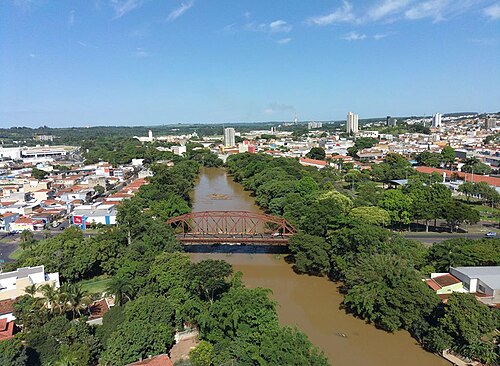
Mogi Guaçu is a municipality located in the state of São Paulo, Brazil. Situated approximately 120 kilometers from the capital city of São Paulo, Mogi Guaçu plays an important role in the region's economic and cultural landscape. With a population of around 150,000 inhabitants, the city is part of a metropolitan area that includes other nearby municipalities, contributing to vibrant social interactions and economic opportunities. The city covers an area of about 1,048 square kilometers and is characterized by its diverse topography, including hills and rivers that provide natural beauty and recreational opportunities.
The region has a rich history, with significant development occurring since the 18th century. Originally established as a small village, Mogi Guaçu became a municipality in 1864. Its name is derived from the Tupi language, meaning "river of many waters," reflecting the area's abundant waterways. The local economy has traditionally relied on agriculture, but over the years, Mogi Guaçu has diversified, with industries such as textiles, machinery, and electronics becoming prominent. The city benefits from its strategic location near major highways and railroads, facilitating trade and commerce. Cultural diversity is evident in the city's festivals, gastronomy, and architecture, reflecting the influences of various immigrant communities. Mogi Guaçu also emphasizes education and healthcare, hosting several educational institutions and health facilities that cater to its residents.
In addition to its economic contributions, Mogi Guaçu is known for its efforts in promoting tourism and preserving its natural environment. The city is home to various parks, including the Parque dos Lagos, which offers recreational spaces for residents and visitors. The annual events, such as the Festa do Peão de Boiadeiro, attract tourists and celebrate local traditions. The municipality's commitment to sustainability is also evident in initiatives aimed at protecting local ecosystems and promoting green spaces. As Mogi Guaçu continues to evolve, it remains a city that honors its past while looking toward the future, balancing urban growth with the preservation of its cultural and natural heritage.
Facts about Mogi Guaçu
- Mogi Guaçu is known for its rich coffee-growing history, which dates back to the late 19th century when coffee became a major cash crop in the region.
- The city is home to the Mogi Guaçu River, an essential waterway that played a crucial role in the development of the area, providing water for agriculture and industry.
- Mogi Guaçu hosts the Festival of the Brazilian Culture, an annual event that showcases local traditions, music, and cuisine, distinguishing it as a cultural hub in São Paulo state.
- The city is notable for its historic architecture, including the Church of St. John the Baptist, which dates back to the 18th century and reflects the baroque style common in colonial Brazilian churches.
- Mogi Guaçu has a significant industrial base, particularly in the textile and manufacturing sectors, contributing to its economic distinction within the São Paulo metropolitan area.
- The city is connected to major highways, including the SP-342, facilitating trade and transport, which is crucial for its role as a regional economic center.
- Mogi Guaçu is known for the Parque das Águas, a large park featuring natural springs, recreational areas, and hiking trails, making it a popular destination for outdoor enthusiasts.
- The city was founded in 1879 and has a diverse population that reflects the mix of indigenous, Portuguese, and immigrant influences, contributing to its unique cultural identity.
- Mogi Guaçu is recognized for its educational institutions, including its commitment to technical education, which fosters a skilled workforce for local industries.
- The area around Mogi Guaçu is rich in natural beauty, with access to the Serra da Mantiqueira mountain range, attracting nature lovers and hikers, making it distinct from many other urban areas in Brazil.