Mokopane, South Africa
- 101,090 people
- 10 places to visit
- -24.1809, 29.0139
Places to Visit (10)
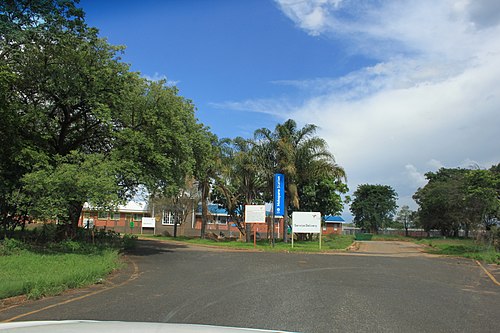
Mokopane, formerly known as Potgietersrus, is a town located in the Limpopo Province of South Africa, approximately 100 kilometers northeast of Pretoria. It serves as the capital of the Mokopane Local Municipality and is situated at an elevation of about 1,250 meters above sea level. The town's history dates back to the late 19th century when it was founded as a mining and agricultural center. The name change to Mokopane in 2003 was made to honor a local chief named Mokopane, reflecting a broader trend in the country to reclaim indigenous heritage.
Mokopane is strategically positioned near several notable natural attractions, including the Waterberg Biosphere Reserve, which is a UNESCO-designated site known for its biodiversity. The reserve offers a habitat for various plant and animal species, providing opportunities for eco-tourism and outdoor activities. The local economy is diverse, with agriculture playing a crucial role alongside mining activities focused on platinum, nickel, and chrome. The presence of these industries has fostered a growing population and urban development in the area, enhancing its importance as a regional hub.
The town features a mix of modern infrastructure and traditional cultural elements, symbolizing the fusion of different influences in South African society. Mokopane hosts various schools, health facilities, and commercial enterprises that cater to its residents. The community is characterized by a vibrant mix of languages and cultures, which contributes to its unique social fabric. Festivals and markets throughout the year celebrate this diversity, making Mokopane a focal point for cultural exchange and community engagement in the Limpopo Province. As it continues to develop, Mokopane maintains its significance as a center of agriculture, mining, and cultural heritage in South Africa.
Facts about Mokopane
- Mokopane, formerly known as Potgietersrus, is named after the local chief Mokopane, and the name reflects the area's rich cultural heritage.
- The city is a gateway to the Waterberg region, a UNESCO Biosphere Reserve known for its diverse flora and fauna, setting it apart from other South African towns.
- Mokopane has historical significance as it was a key location during the Great Trek in the 1830s, which was a migration of Dutch-speaking settlers.
- The nearby Mokopane Biodiversity Conservation Centre is a unique facility dedicated to preserving local wildlife and educating the public about conservation efforts.
- Mokopane is known for its vibrant cultural festivals, such as the annual Makgaladi Cultural Festival, which celebrates local traditions and heritage.
- The city has a strong agricultural base, particularly in crop farming and animal husbandry, contributing significantly to the local economy.
- Mokopane is home to various archaeological sites, including rock art, which provides insight into the lives of early inhabitants of the region.
- The local economy also benefits from the mining industry, particularly the extraction of minerals like phosphate, which is not commonly associated with other towns in South Africa.
- The surrounding area includes the famous Kruger National Park, making Mokopane a best-kept secret for those seeking wildlife experiences without the crowds.
- Mokopane is distinguished by its multicultural community, where several ethnic groups coexist, contributing to its diverse cultural landscape.