Mol, Belgium
- 32,659 people
- 5 places to visit
- 51.1872, 5.1154
Places to Visit (5)
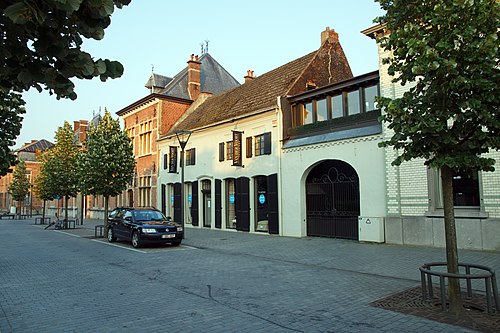
Mol is a charming municipality located in the province of Antwerp in northern Belgium. It is situated within the broader region of Flanders and is part of the Arrondissement of Turnhout. The town has a rich history, evident from its historical architecture and local landmarks. One of the most notable features of Mol is its vibrant community life, which is characterized by both modern amenities and close-knit neighborhoods. The population is approximately 35,000 residents, many of whom are engaged in diverse sectors, including retail, services, and agriculture.
A key attraction in Mol is its natural beauty, highlighted by vast green spaces and numerous parks. The town is home to the Zilvermeer, a recreational area featuring a large lake that is popular for swimming and water sports. Nature enthusiasts also flock to the nearby nature reserves, such as the Molse Nete, offering extensive walking trails and opportunities for birdwatching. Mol is also known for its cultural events, including local festivals that celebrate Belgian traditions, music, and the arts, which foster a sense of community and regional pride.
Moreover, the town has a reputation for its unique geology and mineral resources, particularly in the field of mining. Historically, Mol was known for its lignite coal production, which played a significant role in the local economy during the 20th century. Today, while the coal mining industry has largely diminished, Mol has shifted toward tourism and sustainable development, focusing on preserving its historical sites and natural landscapes. Overall, Mol encapsulates a blend of history, culture, and nature, making it an appealing destination for visitors and a pleasant place for residents.
Facts about Mol
- Mol is known for its unique combination of nature and industry, serving as a gateway to various natural parks while being home to several industrial companies.
- The city is famous for its extensive network of canals and lakes, making it a popular destination for water sports and recreational activities.
- Mol hosts an annual Carnival celebration, which is one of the largest in the region and attracts thousands of visitors each year.
- The local economy has a strong emphasis on agriculture and horticulture, with numerous farms and greenhouses producing a variety of crops.
- Mol is home to the world-renowned Laboratory for Bioinformatics and Decision Support, which has contributed to advancements in biotechnology.
- The city has a notable historical site, the 'Zilvermeer' (Silver Lake), which was created as a result of sand extraction and is now a beloved recreational area.
- Mol played a significant role during World War II, serving as a strategic location due to its transportation links and industrial presence.
- The 'Kastel Ter Borch' is a unique castle in Mol, renowned for its picturesque landscape and historical significance dating back to the 16th century.
- Mol is recognized for its commitment to sustainable development and environmental protection, often being involved in green initiatives and eco-friendly practices.
- It is part of the province of Antwerp and is neighboring several other popular destinations, making it an attractive stopping point for tourists exploring the region.