Molenbeek-Saint-Jean, Belgium
- 97,037 people
- 5 places to visit
- 50.8589, 4.3118
Places to Visit (5)
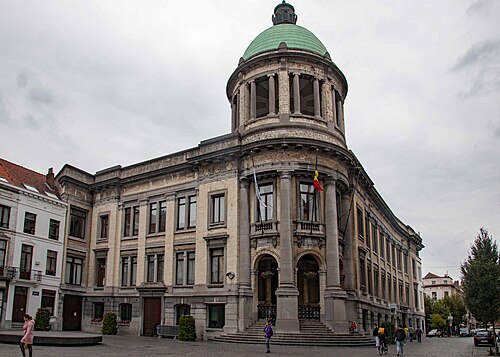
Molenbeek-Saint-Jean is a municipality located in the Brussels-Capital Region of Belgium, just northwest of the city of Brussels itself. With a population of approximately 100,000 residents, Molenbeek is known for its diverse community, which includes a significant percentage of immigrants, particularly from North Africa and the Middle East. This diversity is reflected in the vibrant mix of cultures, languages, and cuisines present in the area. The municipality covers about 6.4 square kilometers and is characterized by a mix of residential, commercial, and industrial areas. Historically, Molenbeek was an industrial hub, but in recent decades, it has faced challenges such as economic decline, urban migration, and social issues.
Molenbeek gained international attention following the 2015 Paris attacks, as some of the attackers had links to the neighborhood. This incident brought to light issues related to radicalization, youth unemployment, and social integration within its predominantly immigrant population. However, the municipality and its residents have also shown resilience and activism in response to these challenges. Various community organizations and local initiatives aim to foster social cohesion, promote integration, and improve living conditions. Molenbeek is home to several cultural events and festivals that celebrate its diversity, as well as numerous parks and public spaces that offer recreational opportunities for residents. As part of the Brussels-Capital Region, Molenbeek benefits from access to the city's extensive public transportation network, connecting it to other parts of Brussels and beyond. Despite its complex socio-political landscape, Molenbeek remains a dynamic and evolving part of Belgium’s multicultural identity.
Facts about Molenbeek-Saint-Jean
- Molenbeek-Saint-Jean is known for its rich multicultural environment, hosting a diverse population that represents various nationalities and cultures.
- The city gained international attention following the 2015 Paris attacks, as it was identified as the home of several perpetrators, which led to discussions about integration and urban identity in Belgium.
- Molenbeek is historically significant as an industrial district, particularly during the 19th century when it was a hub for factories and workers' movements.
- The commune is home to the Canal de Bruxelles-Charleroi, which plays a crucial role in the city’s logistics and connectivity between Brussels and the surrounding areas.
- Molenbeek has made efforts to revitalize its image and infrastructure, incorporating urban development projects aimed at enhancing public spaces and local amenities.
- The city is known for its unique mix of architectural styles, showcasing a range of influences from industrial age facades to modern designs.
- Molenbeek-Saint-Jean is famous for its local markets, particularly the weekly market at Place Albert, which attracts many visitors from both within and outside the commune.
- The commune has a prominent Muslim community and is noted for its range of mosques, contributing to the city's cultural and religious diversity.
- Molenbeek has a significant artistic scene, with various cultural initiatives, galleries, and workshops reflecting the community's creativity and innovation.
- The city is often referred to as a 'laboratory of urban change' due to its ongoing experiments in social initiatives and community projects aimed at cohesion and inclusivity.