Molepolole, Botswana
- 74,861 people
- 5 places to visit
- -24.3966, 25.497
Places to Visit (5)
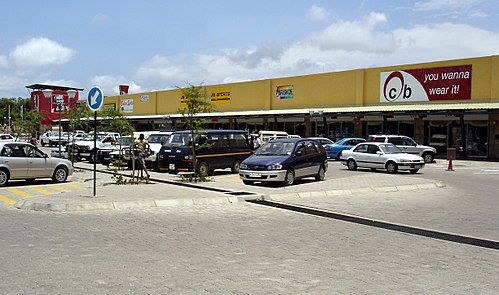
Molepolole is a town located in the Kweneng District of Botswana, approximately 40 kilometers west of the capital city, Gaborone. With a population of around 60,000 inhabitants, it ranks as one of the largest towns in Botswana. Historically, Molepolole has served as a principal village of the Bakwena tribe, one of the country's prominent ethnic groups. The town derives its name from the Tswana language, with "Molepolole" meaning "place of the mole," a reference to a type of burrowing animal common in the area. The traditional leadership of the Bakwena tribe, led by the Kgosi (chief), continues to play an influential role in the town's governance and cultural preservation.
Economically, Molepolole is primarily based on agriculture, with many residents engaged in subsistence farming, growing crops such as maize, sorghum, and vegetables. The local economy is also supported by small businesses and retail shops, which cater to the needs of the community and surrounding rural areas. Additionally, tourism is gradually emerging as a sector of interest, with Molepolole's cultural heritage and natural beauty attracting visitors. Notable attractions include the historical sites related to the Bakwena tribe and the picturesque landscapes that characterize the Kweneng District.
Molepolole is well-connected through road infrastructure, facilitating access to Gaborone and other regions. The town's social infrastructure includes several schools, health facilities, and community centers, contributing to the overall quality of life for its residents. Despite facing challenges such as urbanization and population growth, Molepolole remains a significant cultural and economic hub within Botswana. As the town continues to develop, it strives to balance modern advancements while preserving the rich traditions and history of the Bakwena people.
Facts about Molepolole
- Molepolole is the largest town in the Kweneng District of Botswana and serves as an important administrative and economic center for the region.
- The town is known for its historical significance as the site of the first mission station established in Botswana by the London Missionary Society in 1885.
- Molepolole is often referred to as the 'cradle of the Bakwena tribe,' being the birthplace of several prominent leaders, including Kgosi (Chief) Bathoen I.
- The town celebrates an annual cultural festival known as the Molepolole Cultural Festival, which showcases the rich heritage of the Bakwena people through music, dance, and traditional crafts.
- Molepolole features the historic Maratadima Hill, which is a significant landmark that offers panoramic views of the surrounding area and holds cultural importance for local communities.
- The town is renowned for its local craftsmanship, particularly in pottery and basket weaving, which are integral to the economy and cultural identity of its inhabitants.
- Molepolole has a vibrant agricultural sector, with residents engaged in farming activities, which distinguishes it from more urbanized areas of Botswana.
- The town plays a key role in education, housing several primary and secondary schools, as well as being home to the University of Botswana's Molepolole campus, known for its focus on teacher education.
- Molepolole is located approximately 50 kilometers from Gaborone, the capital city of Botswana, making it a popular commuting town for residents working in the capital.
- The local dialect, Setswana, is widely spoken in Molepolole, reflecting the cultural and linguistic heritage of the Bakwena tribe, and distinguishes it from areas with different ethnic compositions.