Molina de Segura, Spain
- 64,065 people
- 8 places to visit
- 38.0517, -1.2073
Places to Visit (8)
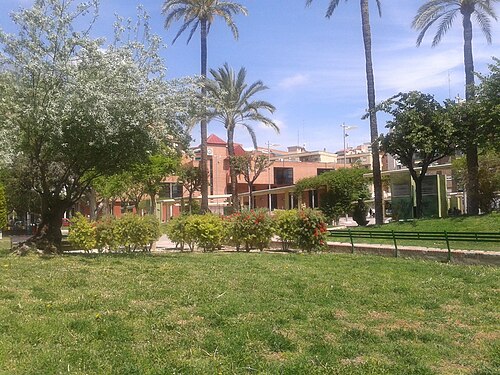
Molina de Segura is a municipality and city located in the Region of Murcia in southeastern Spain. Situated approximately 10 kilometers northwest of the city of Murcia, it serves as an important part of the Metropolitan Area of Murcia. The city covers an area of around 558 square kilometers and boasts a population of approximately 70,000 residents, making it one of the largest municipalities in the region. Molina de Segura is known for its agricultural heritage, with the surrounding landscape primarily consisting of fertile farmland that benefits from the irrigation provided by the Segura River. The economy is largely based on agriculture, with notable production of fruits, vegetables, and flowers, as well as some industries related to food processing.
In terms of history, Molina de Segura dates back to the Moorish period, having been founded in the 8th century. Its name is believed to derive from the Arabic “Mawlana”, meaning "our lord," which reflects its historical influences throughout the centuries. The city features significant historical sites, including the Church of Nuestra Señora de la Consolación, which showcases baroque and neoclassical architecture and serves as a focal point for local religious activities. Additionally, the Castillo de Molina, a castle built in the early Middle Ages, highlights the city's strategic importance during the Reconquista and serves as a testament to its historical significance.
Culturally, Molina de Segura hosts various festivals and events throughout the year, with notable celebrations including the Fiestas de la Virgen de la Consolación in September, which honor the city's patron saint. The rich cultural landscape is complemented by local cuisine, which features traditional dishes from the Region of Murcia. Furthermore, the city is well-connected by road and rail, making it an accessible destination for tourists. With its blend of agricultural traditions, historical significance, and vibrant culture, Molina de Segura offers a unique glimpse into the life and heritage of the Region of Murcia.
Facts about Molina de Segura
- Molina de Segura is located in the Murcia region of Spain and is one of the largest municipalities in the area.
- The city has a rich agricultural heritage, particularly known for its extensive production of fruits and vegetables, which are exported internationally.
- Molina de Segura is home to the Segura River, which has historically played a crucial role in the development of the area and its agriculture.
- The historic center features the impressive Church of Nuestra Señora de la Asunción, built in the 16th century, showcasing a mix of Gothic and Baroque architectural styles.
- Molina was officially recognized as a city in 1941, but its history dates back to Roman times, with archaeological remains indicating a long-standing settlement.
- Every year, Molina de Segura hosts the famous Feria de Santo Niño, a lively fair that celebrates local customs and traditions, attracting visitors from all over the region.
- The municipality is known for its modern sports facilities, including the Estadio El Romeral, which supports various local sports teams and events.
- Molina de Segura has a unique network of water canals, known as 'acequias,' that have been utilized for irrigation since the 12th century, forming a critical aspect of the area's agricultural landscape.
- The city has a strong community of artisans and is known for its handmade pottery and ceramics, reflecting the local craftsmanship tradition.
- Molina de Segura is strategically located just a short distance from the regional capital, Murcia, making it a commuter town with a rich blend of urban and rural life.