Mombasa, Kenya
- 1,208,333 people
- 12 places to visit
- -4.0435, 39.6682
Places to Visit (12)
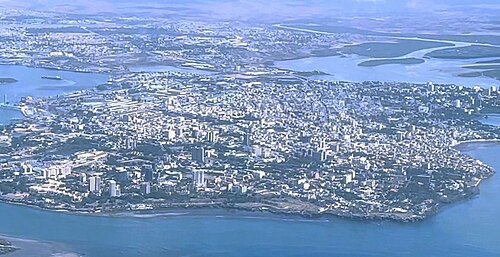
Mombasa is the second-largest city in Kenya and serves as a major port and commercial center along the country's coastline on the Indian Ocean. Established around the 12th century, Mombasa has a rich historical background shaped by various cultures, including Arab, Portuguese, and British influences, all of which have left an indelible mark on the city's architecture and cultural practices. Its historical significance is highlighted by sites such as Fort Jesus, a UNESCO World Heritage site built by the Portuguese in the late 16th century, which offers insights into the city's tumultuous colonial past. The old town, with its narrow streets and Swahili architecture, reflects the city's vibrant multicultural atmosphere characterized by a blend of African, Arab, and European influences.
Mombasa's economy is predominantly driven by trade, tourism, and agriculture, owing to its strategic position as a gateway to East Africa. The Port of Mombasa, one of the largest and busiest ports in Africa, plays a vital role in facilitating international trade and commerce, handling imports and exports for several neighboring countries including Uganda, Rwanda, and South Sudan. The city's economy also benefits greatly from tourism, attracting visitors with its stunning beaches, historical sites, and wildlife, including the nearby Tsavo National Park. Mombasa is known for its diverse cultural festivals, delicious cuisine, and hospitality, making it a popular destination for both local and international tourists. Despite facing challenges such as urbanization and security concerns, Mombasa remains a vital part of Kenya's national identity and economic landscape, embodying a unique blend of historical legacy and modern development.
Facts about Mombasa
- Mombasa is Kenya's oldest and second-largest city, founded in the late 12th century and playing a crucial role in trade and commerce along the Indian Ocean.
- The city is home to Fort Jesus, a UNESCO World Heritage site built in the 16th century by the Portuguese, which symbolizes the historical struggle for control of Mombasa.
- Mombasa is a melting pot of cultures, with influences from Arab, Swahili, Indian, and British communities, reflected in its cuisine, architecture, and traditions.
- The city is known for its beautiful beaches, such as Diani Beach, Nyali Beach, and Tiwi Beach, attracting tourists with white sands and coral reefs.
- Mombasa has a rich Swahili culture, and it is recognized as the birthplace of the Swahili language, which is widely spoken in the coastal region and East Africa.
- The annual Mombasa Carnival is a vibrant celebration featuring parades, traditional music, and dance, highlighting the city's diverse heritage and tourism.
- Mombasa serves as a major port city, providing a critical gateway for maritime trade to and from East Africa, significantly impacting the economy of Kenya.
- The iconic Old Port of Mombasa has been in use since the days of the ancient Arab traders and is integral to the city's historical significance in maritime trade.
- Mombasa is home to the famous Swahili architecture, characterized by coral stone buildings, intricate wooden doors, and ornate balconies, seen in areas like Old Town.
- The city has a unique transport network, including the Mombasa-Mariakani Highway, the Kenya-Uganda Railway, and a recently built Standard Gauge Railway, enhancing regional connectivity.