Moncloa-Aravaca, Spain
- 116,531 people
- 19 places to visit
- 40.4418, -3.7537
Places to Visit (19)
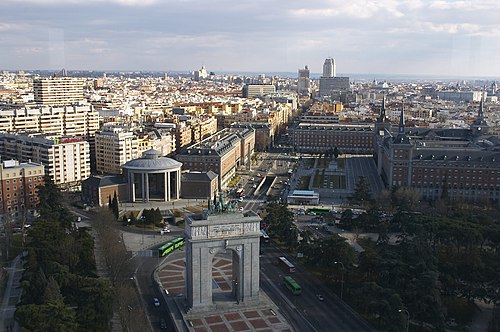
Moncloa-Aravaca is a prominent district located in the northwest of Madrid, Spain. Officially established as a district in 1988, it combines the former municipalities of Moncloa and Aravaca, contributing to its diverse character. The district is known for its distinctive blend of urban and suburban environments, which appeal to a wide range of residents, from students and young professionals to families and retirees. Moncloa-Aravaca is characterized by its green spaces, such as the Casa de Campo, one of Madrid's largest parks, offering extensive opportunities for recreational activities, including hiking, cycling, and picnicking. This area is also home to the Ciudad Universitaria, housing universities like the Complutense University of Madrid, making it a vibrant student hub.
Moncloa-Aravaca boasts excellent transport links, with the Moncloa Interchange, a major transport hub that connects several metro lines and bus routes, facilitating easy access to the city center and surrounding areas. The district is rich in history, evidenced by sites such as the historic Moncloa Palace, the official residence of the Prime Minister of Spain, and the iconic Aravaca Bridge that has stood since the 18th century. Furthermore, Moncloa-Aravaca features a mix of modern amenities, including shopping centers, educational institutions, and cultural centers, contributing to its reputation as a desirable place to live. The district's diverse architecture reflects its evolution over the years, showcasing a variety of styles from traditional buildings to contemporary constructions. As part of Madrid's metropolitan area, Moncloa-Aravaca plays a significant role in the cultural and social landscape of the city while maintaining its unique identity.
Facts about Moncloa-Aravaca
- Moncloa-Aravaca is a district of Madrid, known for its unique blend of urban living and natural environments, including parks like El Parque de la Vaguada and Casa de Campo.
- The district is home to the iconic Moncloa Tower, which offers panoramic views of the city and is a popular landmark for both locals and tourists.
- Moncloa-Aravaca houses the historic Aravaca church, which dates back to the late 17th century and reflects a unique architectural style distinct to this area.
- The area played a significant role during the Spanish Civil War, serving as a base for Republican forces and witnessing important events that shaped modern Spanish history.
- Moncloa's proximity to the Complutense University of Madrid makes it a hub for students, contributing to its vibrant cultural and social scene.
- The district is also known for its elevated position, offering some of the highest elevations in the city of Madrid, leading to unique weather patterns compared to other districts.
- Moncloa-Aravaca hosts several annual cultural events, including the popular Magullón de las Flores festival, celebrating local traditions and community spirit.
- The district is intersected by major transport routes, making it a vital access point for both commuters and tourists heading into the heart of Madrid.
- Moncloa-Aravaca is recognized for its ecological initiatives, including green spaces and sustainable development projects aimed at preserving the local environment.
- In addition to its historical significance, the area has become known for its modern amenities, such as shopping centers and gourmet restaurants, contributing to its appeal as a residential area.