Mondragone, Italy
- 28,683 people
- 7 places to visit
- 41.1143, 13.8918
Places to Visit (7)
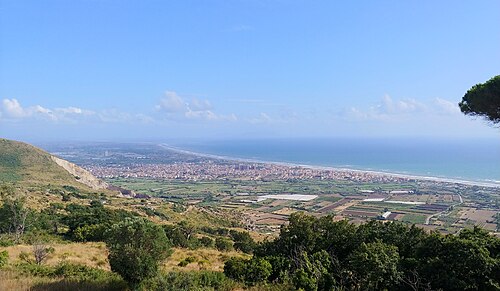
Mondragone is a picturesque town located in the Campania region of southern Italy, situated along the Tyrrhenian Sea. Bordered by the provinces of Caserta and Naples, it is known for its beautiful coastline, rich history, and vibrant culture. The town, nestled between the Aurunci Mountains and the sea, offers stunning natural landscapes and a warm Mediterranean climate. Traditionally an agricultural hub, Mondragone's economy thrives on the cultivation of various crops, particularly tomatoes, leafy greens, and grapes, as well as local fishing activities along its beaches.
The historical roots of Mondragone date back to ancient Rome, evidenced by archaeological findings in the area, including remnants of villas and other Roman structures. The town's name is believed to be derived from the Latin "monte draconis," referring to a dragon or serpent-like creature. Throughout the Middle Ages, it became a feudal estate, experiencing various influences from different ruling powers, including the Normans and the Spanish. Mondragone is also notable for its resilience during World War II, having been affected by military actions but successfully preserving much of its cultural heritage.
Today, Mondragone serves as a local tourist destination, attracting visitors with its inviting beaches and historical attractions. The annual festivals celebrate local traditions, including food, music, and dance, contributing to the town's vibrant social life. Notable landmarks include the Church of Santa Maria in Cielo Assunta and the ruins of ancient Roman villas, which reflect the town’s storied past. With its combination of natural beauty, historical significance, and a strong sense of community, Mondragone continues to be an intriguing destination for both residents and tourists alike.
Facts about Mondragone
- Mondragone is known for its historical significance as a former naval base for the Roman Empire, particularly during the era of Emperor Augustus.
- The city is home to the ancient ruins of the Roman villa of 'Villa of the Ceccano', showcasing impressive mosaics and remnants of Roman architecture.
- Mondragone has a unique cultural heritage influenced by its location near the Tyrrhenian Sea, making it a hub for fishing and maritime activities.
- The town celebrates the annual Festival of San Damaso, dedicated to its patron saint, featuring traditional processions, music, and local cuisine.
- Its location on the 'Falde del Monte Massico' provides breathtaking natural scenery, including hills and coastal views that are not commonly found in other Italian towns.
- Mondragone boasts a historical medieval castle known as the 'Castello di Mondragone', which dates back to the 10th century and has been restored over the years.
- The city has notable agricultural activity, particularly in the cultivation of the famous 'Pomodoro di Mondragone', a local tomato variety known for its quality.
- Mondragone is part of the Caserta province, which is recognized for its rich history and proximity to other significant sites like the Royal Palace of Caserta.
- The local beach, known as 'Lido Verde', is a popular destination for both tourists and locals, distinguishing it from many other inland towns in Italy.
- Mondragone has a diverse demographic, with a mix of Italian and immigrant communities contributing to its cultural vibrancy.