Monrovia CA, United States
- 37,463 people
- 16 places to visit
- 34.1443, -118.0019
Places to Visit (16)
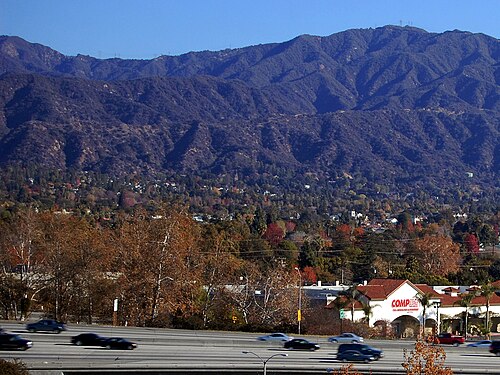
Monrovia is a city located in Los Angeles County, California, situated at the base of the San Gabriel Mountains. Founded in 1886, it was named after the fifth President of the United States, James Monroe. With a population of approximately 37,000 residents, Monrovia has retained its small-town charm while embracing the growth and development consistent with Southern California's urban expansion. The city covers an area of around 23 square miles and is characterized by its historic downtown area, tree-lined streets, and diverse neighborhoods. Monrovia was officially incorporated in 1887 and has since developed into a vibrant community.
The city boasts a variety of parks and recreational facilities, with Monrovia Canyon Park being one of its most popular attractions. This park features numerous hiking trails, picnic areas, and natural beauty, making it a favored spot for outdoor enthusiasts. Monrovia is also known for its commitment to community events and activities, hosting an array of festivals, farmers' markets, and concerts throughout the year that foster resident engagement and celebrate local culture. The city's historic Old Town district is filled with shops, restaurants, and entertainment venues that reflect Monrovia's bustling economy.
Monrovia's location offers convenient access to major highways, making it an ideal place for commuters traveling to Los Angeles and other nearby cities. Its educational institutions are served by the Monrovia Unified School District, which is known for its commitment to student achievement and community involvement. With its rich history, community spirit, and picturesque setting, Monrovia continues to be a desirable place to live, work, and visit in Southern California.
Facts about Monrovia
- Monrovia is the first city in California to provide a water supply, which it established in 1886, making it an early pioneer in public utilities.
- The city is home to the Monrovia Historic District, which features more than 100 buildings on the National Register of Historic Places, showcasing its rich architectural heritage.
- Monrovia's Downtown area includes a unique subway-style station for the Metro Gold Line, connecting it to Los Angeles, making it easily accessible.
- The annual Monrovia Days celebration has been a tradition since 1924, showcasing local culture with a parade, carnival rides, and community events.
- Monrovia has a vibrant arboretum known as the Monrovia Canyon Park, which offers hiking trails, picnic areas, and natural scenery, marking it as a natural retreat within the city.
- The city hosts the Monrovia Public Library, which has been a community hub since 1913, offering numerous programs and resources for residents.
- Monrovia’s culture of innovation is reflected in its diverse range of local businesses, including artisanal shops, cafes, and restaurants along Myrtle Avenue.
- The city is a part of the greater San Gabriel Valley and has a strong historical connection to the citrus industry, once being a major production area in the late 19th century.
- Monrovia prides itself on having one of the oldest existing flower shops in California, established in 1902, which exemplifies the city’s commitment to local enterprises.
- Monrovia's 210 Freeway corridor serves as a key location for both businesses and transportation, facilitating economic growth and accessibility for commuters.