Monrovia, Liberia
- 1,542,549 people
- 11 places to visit
- 6.3156, -10.8074
Places to Visit (11)
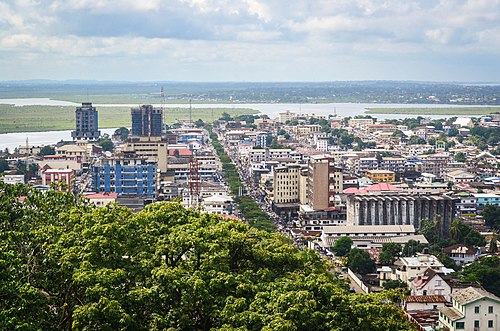
Monrovia is the capital and largest city of Liberia, a West African nation located on the Atlantic coast. Founded in 1822 by freed American slaves, the city was named after James Monroe, the fifth President of the United States, who was a strong supporter of the colonization movement. The city has a rich historical significance as it became the nation's capital in 1847 when Liberia declared its independence. Monrovia is situated on a peninsula at the confluence of the Mesurado River and the Atlantic Ocean, providing it with a strategic location and a scenic waterfront. The city is characterized by its distinctive coastal landscape, bustling markets, and vibrant cultural scene, which reflects the diverse heritage of the various ethnic groups in Liberia, including Americo-Liberians, indigenous Liberians, and immigrants.
Economically, Monrovia serves as the commercial and administrative center of Liberia. Its economy is primarily based on agriculture, with rubber, coffee, and palm oil as major products, alongside mining and timber industries. The city's bustling marketplaces, such as Waterside Market, showcase local goods and provide crucial sources of income for many residents. Monrovia has faced significant challenges, particularly during the civil wars from the late 20th century, which ravaged its infrastructure and resulted in a demographic shift. However, since the end of the conflict and with efforts for reconstruction, there have been gradual improvements in governance and infrastructure development. Key institutions, such as the University of Liberia and the John F. Kennedy Medical Center, play vital roles in education and healthcare in the region.
Despite ongoing challenges such as high unemployment rates and limited public services, Monrovia is experiencing a renaissance in cultural and social development. The city hosts several annual events, including the Monrovia Carnival, which celebrates its rich cultural heritage. Efforts to promote tourism are also on the rise, as visitors are drawn to historical landmarks such as the Ducor Palace Hotel, the Liberia National Museum, and various beaches along the coastline. Monrovia continues to embody the resilience and spirit of the Liberian people as they move forward into a new era of growth and recovery.
Facts about Monrovia
- Monrovia is the capital city of Liberia and serves as the political, economic, and cultural center of the country.
- Founded in 1822, Monrovia was established by freed American slaves and named after U.S. President James Monroe.
- The city is home to the iconic Providence Island, which is where the first settlers landed, and has historical significance in Liberia's founding.
- Monrovia boasts the oldest university in Liberia, the University of Liberia, established in 1862.
- The city's architecture features a mix of colonial-era buildings and modern structures, reflecting its history and development.
- Monrovia houses the National Museum of Liberia, which displays artifacts, historical items, and exhibits related to the country's cultural heritage.
- It is the residence of key government institutions, including the Executive Mansion, which is the official residence of the President of Liberia.
- The city hosts events like the Liberia Fashion Week, showcasing local designers and fostering a growing fashion industry.
- Monrovia has a significant port, the Freeport of Monrovia, crucial for the import and export of goods, making it a vital economic hub.
- The city has been a center for political activity and was significantly impacted during the Liberian Civil Wars, which have shaped its modern identity.