Montauban, France
- 52,434 people
- 12 places to visit
- 44.0221, 1.353
Places to Visit (12)
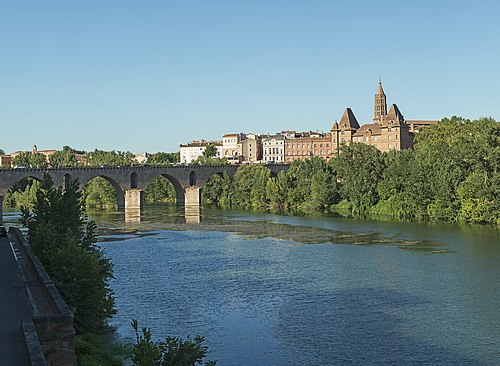
Montauban is a historic city situated in the Occitanie region of southwestern France, approximately 50 kilometers northeast of Toulouse. It lies at the confluence of the Tarn and Tescou rivers, making it a strategically significant location since ancient times. Founded in 1144, Montauban has a rich history marked by its development as a key trading center, particularly during the Middle Ages. The city became known for its unique pink brick architecture, which reflects the local clay's color; this distinctive style is prominent in many of its buildings, including the notable Place Nationale and the Cathedral of Notre-Dame.
The city played a pivotal role during the French Wars of Religion in the 16th century when it became a stronghold for the Protestant Huguenots. This tumultuous period significantly influenced Montauban's religious and cultural landscape. Today, the city is home to a population of around 60,000 residents and showcases a variety of historical sites and cultural institutions. Montauban's museum, the Musée Ingres Bourdelle, is dedicated to the works of the famed painter Jean-Auguste-Dominique Ingres, a native of the city, as well as those of the sculptor Antoine Bourdelle. The vibrant arts scene flourishes alongside outdoor markets, restaurants, and festivals that celebrate local traditions.
In addition to its historical significance, Montauban offers a range of modern amenities, from educational institutions to recreational activities. The surrounding countryside features beautiful landscapes, perfect for hiking, cycling, and enjoying the natural beauty of the region. The city's strategic location provides easy access to other major cities in the south of France, making it an attractive destination for both tourists and residents. With its blend of history, culture, and natural beauty, Montauban embodies the essence of southwestern French life, appealing to those interested in exploring its rich heritage and vibrant community.
Facts about Montauban
- Montauban is known for its distinctive pink terracotta buildings, earning it the nickname 'La ville rose' (The Pink City), similar to Toulouse.
- The city was founded in 1144 by the Count of Toulouse and is one of the oldest fortified cities in France, boasting a rich medieval heritage.
- Montauban has a significant Protestant history, as it was a center for the Huguenots during the French Wars of Religion, which is reflected in its architecture and cultural sites.
- The Place Nationale, designed in the 17th century, is an impressive example of classical French architecture and is surrounded by remarkable arcaded buildings.
- Montauban is the birthplace of the famous French painter Pierre Soulages, known for his contributions to abstract art and particularly for his use of black.
- The city is home to the Ingres Museum, dedicated to the famous neoclassical painter Jean-Auguste-Dominique Ingres, who was born here in 1780.
- Montauban was part of the original Occitanie region and has preserved a strong regional identity, with festivals and traditions unique to the area.
- The city has a rich culinary scene, being famous for its 'dépâtes', a type of local dish made with pasta, which showcases the region's agricultural produce.
- Montauban has hosted various cultural events, including the 'Festival de Montauban', celebrating jazz and contemporary music, distinguishing its cultural vibrancy.
- The city's strategic location along the Tarn River historically contributed to its importance in trade and military defense during the Middle Ages.