Montélimar, France
- 35,637 people
- 12 places to visit
- 44.5569, 4.7495
Places to Visit (12)
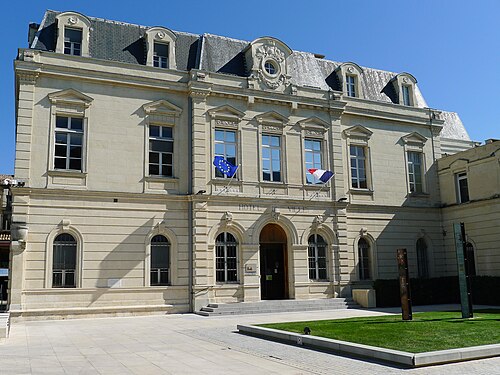
Montélimar is a charming commune located in the Drôme department in southeastern France, nestled between the picturesque landscapes of the Rhône Valley and the foothills of the Alps. It is known for its mild Mediterranean climate, which contributes to the region's agricultural richness. The city has a population of approximately 37,000 residents and serves as an important commercial and cultural hub in the area. Montélimar is particularly famous for its production of nougat, a traditional confection made from nuts and honey, which dates back to the 18th century. The city hosts an annual Nougat Festival, attracting visitors from near and far to sample this delectable treat and celebrate local culinary traditions.
Historically, Montélimar has played a significant role in regional trade due to its strategic location along the Via Augusta, an ancient Roman road. This heritage is reflected in the city's architecture, which features a blend of medieval and Renaissance styles. Notable landmarks include the Château des Adhémar, a fortified castle dating back to the 12th century, which now serves as a contemporary art center. The city also boasts beautiful streets lined with shops, cafés, and restaurants, creating a lively atmosphere for both locals and tourists. Montélimar's proximity to natural attractions, such as the Drôme Provençale and the nearby Grignan, adds to its appeal as a destination for outdoor enthusiasts who enjoy hiking and exploring the scenic countryside.
In addition to its culinary and historical significance, Montélimar is well-connected to other major cities in France, including Valence and Avignon, making it a convenient stop for travelers. The city's infrastructure includes a railway station that offers regional train services, enhancing its accessibility. As Montélimar continues to embrace its heritage while promoting modern development, it remains a hidden gem in the heart of the Rhône-Alpes region, captivating visitors with its blend of tradition, culture, and natural beauty. With a commitment to preserving its local customs and promoting tourism, Montélimar stands out as a vibrant example of French provincial life.
Facts about Montélimar
- Montélimar is famously known as the 'capital of nougat,' with a long tradition of producing this sweet treat, particularly the white nougat made with almonds and honey.
- The city is home to the Château des Adhémar, a 12th-century castle that has been classified as a historical monument and now hosts contemporary art exhibitions.
- Montélimar has a strong connection to the Route du Soleil, a popular route in southern France for vacationers heading to the Mediterranean, making it an important transit point.
- The local economy significantly benefits from the annual Nougat Festival, which celebrates the city's confectionery heritage and attracts thousands of visitors.
- Montélimar was the birthplace of the famed French explorer and botanist, André Michaux, known for his contributions to American horticulture in the 18th century.
- The city features the 'Promenade de la Liberté,' a picturesque pedestrian walkway lined with historical buildings and vibrant cafés, offering a unique urban atmosphere.
- Montélimar is strategically located between the Rhône River and the foothills of the Alps, providing a diverse landscape that attracts nature enthusiasts.
- In addition to nougat, Montélimar is also known for its high-quality olive oil, produced in the surrounding Drôme region, contributing to the region's gastronomy.
- Montélimar hosts an annual international hot-air balloon festival, showcasing colorful balloons and promoting tourism in the region.
- The city has a unique blend of historical influences due to its location near the intersection of several major trade routes throughout history.