Monterrey, Mexico
- 1,135,512 people
- 16 places to visit
- 25.6866, -100.3161
Places to Visit (16)
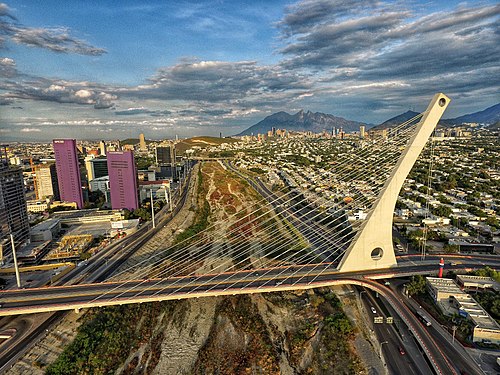
Monterrey is a vibrant city located in northeastern Mexico, serving as the capital of the state of Nuevo León. Founded in 1596, it has evolved into one of the country's most important industrial and economic centers. The city is known for its robust economy, driven primarily by manufacturing, commerce, and services, with a strong presence of both national and international corporations. Monterrey is characterized by its distinct skyline, dominated by the iconic Cerro de la Silla mountain, which serves as a natural landmark and symbol of the region. The city is home to various cultural attractions, educational institutions, and modern infrastructure, making it a significant hub for business and education.
Monterrey boasts a rich cultural heritage, blending modernity with traditional Mexican influences. The city hosts numerous festivals and events that celebrate its history, art, and culinary traditions. Notable institutions include the Museo de Arte Contemporáneo, the Museo del Norte, and the famous Paseo Santa Lucía, a picturesque canal surrounded by lush landscapes and cultural venues. Additionally, Monterrey is recognized for its unique gastronomy, featuring dishes such as cabrito (roast goat), machaca (shredded dried beef), and a variety of grilled meats, which reflect the region's northern Mexican culinary style. With a population exceeding 4 million in the metropolitan area, Monterrey is not only a pivotal economic engine but also a dynamic city that embodies the cultural richness and diversity of Mexico.
Facts about Monterrey
- Monterrey is known as the 'Industrial Capital of Mexico' due to its significant contribution to the country's manufacturing and industrial sectors.
- The city is home to the iconic Cerro de la Silla, a mountain range that resembles a saddle and is a symbol of Monterrey's skyline.
- Monterrey hosts the annual 'Festival Internacional de Santa Lucía', one of the largest cultural festivals in Latin America, celebrating arts, music, and performance.
- The Macroplaza, one of the largest public squares in the world, is located in Monterrey and features important landmarks like the Government Palace and the Metropolitan Cathedral.
- Monterrey is the birthplace of several famous Mexican brands, including FEMSA (the largest Coca-Cola bottling company in the world) and Grupo Alfa.
- The city has a thriving culinary scene known for its unique dishes, such as cabrito (roast goat) and machaca (shredded dried beef).
- Monterrey is recognized for its educational institutions, including Tecnológico de Monterrey, which is ranked among the top universities in Latin America.
- The city's Parque Fundidora is a former steel mill site that has been transformed into a cultural and recreational space, hosting events and concerts.
- Monterrey has a distinct architecture style combining modern skyscrapers and historic buildings, reflecting its rapid growth and industrial past.
- The city's close proximity to the US border facilitates cross-border trade and commerce, making it a significant economic hub.