Montijo, Portugal
- 30,011 people
- 12 places to visit
- 38.7056, -8.9741
Places to Visit (12)
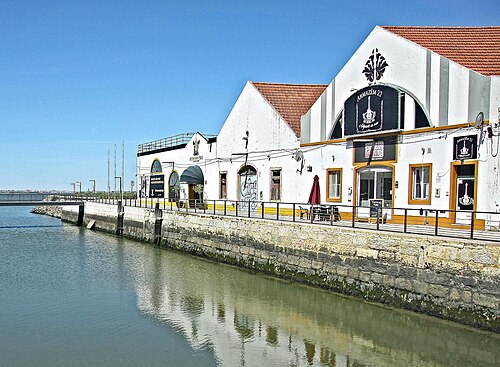
Montijo is a picturesque city located in the Lisbon District of Portugal, situated on the south bank of the Tagus River. As of the latest population estimates, Montijo has around 50,000 residents, making it one of the larger municipalities in the Lisbon metropolitan area. The city boasts a rich history that dates back to Roman times, with archaeological findings indicating its significance during the Roman Empire, particularly due to its strategic location near the river. Montijo has evolved into a modern urban center while still retaining its historical charm, evident in its architecture and local traditions.
One of the defining features of Montijo is its traditional industries, including agriculture and fishing, which have shaped the local economy and culture for centuries. The region is also known for its production of fine wines and quality cheeses, attracting culinary enthusiasts. Montijo's vibrant community is celebrated through various festivals and events, such as the Festa de Nossa Senhora da Oliveira, which honors the city's patron saint and showcases local music, dance, and gastronomy. The city's urban landscape is complemented by beautiful parks and waterfront areas, providing residents and visitors with ample opportunities for leisure and outdoor activities.
Montijo's proximity to Lisbon enhances its appeal, as it serves as a convenient residential option for those working in the capital. The city has well-established transportation links, including a commuter rail service that connects it to Lisbon and other nearby towns. Ongoing urban development projects are aimed at improving infrastructure and services, which further contribute to its growth and modernization. As Montijo continues to thrive, it maintains a balance between its rich heritage and contemporary developments, fostering a unique identity that attracts both residents and tourists alike.
Facts about Montijo
- Montijo is known for its rich history, dating back to Roman times when it was called 'Montacium'.
- The city is located on the banks of the Tagus River, providing picturesque views and a vibrant waterfront.
- Montijo has a strong agricultural tradition, particularly in the production of the famous 'Pão de Montijo', a local bread that is a beloved culinary specialty.
- Unlike many other Portuguese cities, Montijo has a unique blend of urban development and rural charm, with easy access to both city life and nature.
- The city's annual 'Festa da Nossa Senhora da Oliveira' is an important religious and cultural event, attracting visitors from across the region to celebrate with parades and traditional music.
- Montijo is home to the historical building of the Igreja de Nossa Senhora da Oliveira, known for its stunning architecture and historical significance.
- The town is part of the Lisbon Metropolitan Area and serves as a suburban hub, making it one of the fastest-growing areas in Portugal.
- Montijo has a notable number of traditional tiles ('azulejos') displayed throughout the city, often representing local culture and history.
- The nearby Montes da Caparica hills provide residents and visitors with hiking opportunities and stunning landscapes, distinguishing Montijo from other urban areas in Portugal.
- Montijo is known for its commitment to sustainability, evident in initiatives aimed at promoting eco-friendly public transport and green spaces.