Montréal, Canada
- 1,762,949 people
- 18 places to visit
- 45.5019, -73.5674
Places to Visit (18)
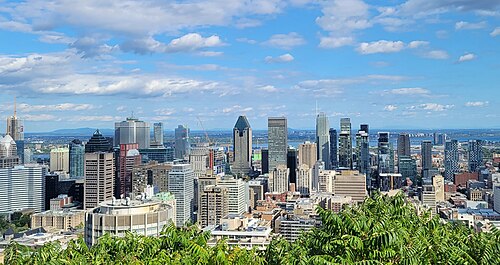
Montréal, the largest city in the province of Quebec, Canada, is situated on the Island of Montréal, which is bordered by the Saint Lawrence River. Founded in 1642 as Ville-Marie, the city is named after Mount Royal, the triple-peaked hill located at its center. As of 2023, Montréal boasts a population of approximately 1.8 million residents, making it the second-largest city in Canada, after Toronto. The city is renowned for its vibrant cultural scene, historical architecture, and strong emphasis on arts and education. It serves as a hub for various events and festivals, including the internationally recognized Montréal International Jazz Festival, Just for Laughs, and the Montréal World Film Festival.
Montréal is notable for its bilingual nature, with a significant portion of the population fluent in both French and English. This linguistic duality reflects the city’s rich cultural heritage, which blends influences from French, English, and indigenous cultures. The city’s neighborhoods each possess distinct characteristics, from the historic cobblestone streets of Old Montréal with its European flair to the modern, bustling scene of downtown. The culinary landscape is equally diverse, featuring a mix of traditional Québécois dishes, such as poutine and smoked meat sandwiches, along with international cuisine reflecting its cosmopolitan identity. Economically, Montréal has a diverse base, with key sectors including aerospace, technology, culture, and tourism. The city is also home to several renowned educational institutions, such as McGill University and the Université de Montréal, contributing to its status as a knowledge center in Canada.
Governance in Montréal is administered by a mayor and city council, with the city being a vital part of the Greater Montréal area, which includes several suburbs. The city is accessible through various transportation options, including an extensive public transit system featuring the Métro and bus services, as well as an international airport, Pierre Elliott Trudeau International Airport. Montréal's commitment to sustainability is reflected in its initiatives to promote green spaces and reduce carbon emissions, making it one of the leading Canadian cities in environmental engagement. With its unique blend of history, culture, and modernity, Montréal continues to attract residents and visitors alike, standing as a symbol of Canada’s diverse and dynamic identity.
Facts about Montréal
- Montréal is the second-largest city in Canada, after Toronto, and the largest city in the province of Quebec.
- The city is located on the Island of Montréal, which is situated at the convergence of the Saint Lawrence and Ottawa rivers.
- Montréal is unique for its bilingual nature, with both English and French being widely spoken, making it one of the largest bilingual cities in the world.
- The city's name comes from Mont Royal, the triple-headed hill in the heart of the city, which offers panoramic views of the skyline.
- Montréal hosts the world's largest jazz festival, the Montreal International Jazz Festival, which attracts millions of visitors annually.
- The city is home to a vibrant arts scene, featuring several major events such as the Just for Laughs comedy festival and the Montréal en Lumière winter festival.
- Montréal has the largest underground complex in North America, known as RESO or La Ville Souterraine, which includes shops, hotels, and metro connections.
- The city's architecture is a blend of historic and modern styles, with notable landmarks like the Notre-Dame Basilica, the Old Port, and the Olympic Stadium.
- Montréal is recognized as a UNESCO City of Design and is renowned for its dynamic design and innovation sectors.
- The city was the host of Expo 67, one of the most successful World's Fairs, celebrated for its futuristic pavilions and cultural showcases.