Moose Jaw, Canada
- 33,890 people
- 16 places to visit
- 50.3916, -105.5349
Places to Visit (16)
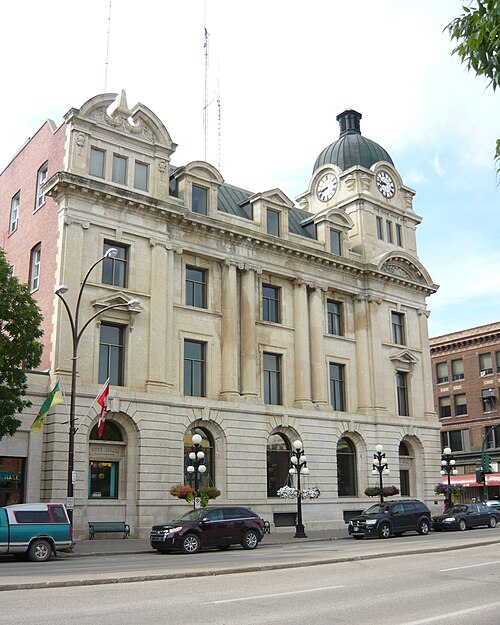
Moose Jaw is a city in the province of Saskatchewan, Canada, located approximately 77 kilometers (48 miles) west of the provincial capital, Regina. With a population of around 33,000 residents as of the 2021 census, Moose Jaw is the fourth largest city in Saskatchewan. The city was founded in the late 19th century, primarily as a railway hub, and it quickly grew in prominence due to its strategic location along the Canadian Pacific Railway. The name "Moose Jaw" is derived from the Moose Jaw River, which was named for the Cree word "moose-za," referring to the shape of the river resembling a moose's jaw.
Throughout its history, Moose Jaw has been known for its rich heritage and cultural landmarks. The city's well-preserved downtown features a mix of historic buildings, including the Moose Jaw City Hall and the Temple Gardens Mineral Spa, which attracts visitors seeking wellness experiences. Moose Jaw is also famous for its historical significance related to bootlegging during the Prohibition era in the United States, leading to the establishment of underground tunnels that have now become a popular tourist attraction. The Tunnels of Moose Jaw offer guided tours that depict the city's shadowy past, drawing attention to both its history and its rustic charm.
In addition to its historical appeal, Moose Jaw is home to several recreational facilities and events that enhance the quality of life for its residents. Parks, like Wakamow Valley and Crescent Park, provide picturesque settings for outdoor activities, while various sports clubs and organizations promote community involvement. The city hosts annual cultural events such as the Moose Jaw Cultural Centre's festival of arts, showcasing local talent and attracting visitors. Moose Jaw is also known for its agricultural roots and has a strong local economy bolstered by sectors including manufacturing, retail, and tourism, making it a vibrant place to live and visit. With its unique blend of history, culture, and community spirit, Moose Jaw continues to enchant those who live there and those who come to explore its offerings.
Facts about Moose Jaw
- Moose Jaw is home to the famous 'Tunnels of Moose Jaw,' a series of underground passages that date back to the 1900s, which were used for smuggling operations and as living quarters for workers.
- The city is known for its historic downtown area, featuring unique architecture and the world's largest moose statue, known as 'Mac the Moose,' which has become a symbol of the city.
- Moose Jaw has a strong association with Canada's World War II efforts, notably the British Commonwealth Air Training Plan, which trained thousands of pilots during the war at the local airbase.
- The city was infamously known as a hub for organized crime during the 1920s and 1930s, with gangster Al Capone allegedly visiting the area to evade law enforcement.
- Moose Jaw hosts the annual Moose Jaw Kinsmen Rodeo, one of the largest rodeos in Saskatchewan that attracts participants and spectators from across the province.
- The city is also home to the Moose Jaw Festival of Words, an annual literary festival that celebrates writers and offers workshops, performances, and readings.
- Moose Jaw is the location of the historic Crescent Park, which features a lovely arboretum, walking paths, and the iconic Moose Jaw City Hall, known for its unique architecture.
- The city is home to the Moose Jaw Warriors, a major junior ice hockey team in the Western Hockey League, contributing to the local sports culture and community events.
- Moose Jaw is often referred to as the 'Friendly City,' reflecting the welcoming nature and friendly atmosphere of its residents.
- The city has a strong agricultural base and hosts the annual Moose Jaw Exhibition and Stampede, which showcases local agriculture, livestock, and entertainment.