Mopti, Mali
- 186,187 people
- 2 places to visit
- 14.4901, -4.1925
Places to Visit (2)
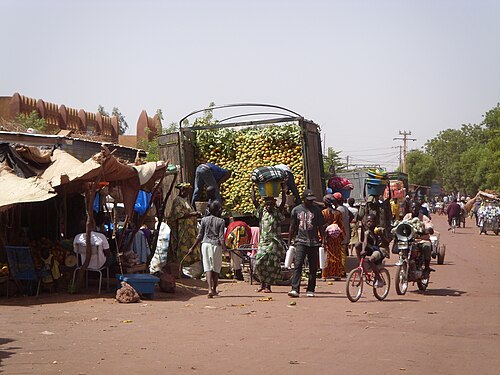
Mopti is a vibrant city located in central Mali, known for its strategic position at the confluence of the Niger and Bani rivers. With a population of approximately 100,000 residents, it serves as an essential commercial and cultural hub for the region. The city has a rich history that dates back centuries, shaped by the trade routes that traversed the area. Traditionally known as a center for fishing and agriculture, Mopti's economy relies heavily on fishing, agriculture, and livestock, complemented by a thriving crafts sector. The city acts as a melting pot of cultures, where various ethnic groups, including the Fulani, Songhai, and Bobo, coexist and contribute to its diverse cultural landscape.
Mopti is renowned for its picturesque architecture, highlighted by the iconic Grand Mosque of Mopti, a remarkable mud-brick structure built in the Sudanese architectural style. This mosque is not only a place of worship but also a significant landmark that represents the city’s historical and cultural significance. The local market, bustling with activity, offers an array of goods, including spices, textiles, and traditional handicrafts, drawing both locals and tourists alike. Mopti also serves as a gateway to several nearby attractions, including the Dogon Country, recognized for its dramatic cliffs and unique cultural practices, as well as the serene landscapes of the Niger River, which are ideal for boating and exploring the rich wildlife.
Despite its charm and cultural richness, Mopti faces several challenges, including environmental issues like drought and flooding, economic instability, and security threats arising from regional conflicts. These factors have impacted both the livelihoods of local residents and the broader stability of the region. Nevertheless, efforts by the Malian government, along with international organizations, aim to bolster development and security in Mopti. The city remains an important symbol of resilience and cultural heritage in Mali, attracting visitors who seek to experience its unique blend of natural beauty and vibrant traditions.
Facts about Mopti
- Mopti is often referred to as the 'Venice of Mali' due to its unique geography, with several canals and waterways that connect the city.
- The city is home to the Great Mosque of Mopti, a UNESCO World Heritage site known for its distinctive Sudano-Sahelian architecture, making it a significant landmark in Mali.
- Mopti is a major trading hub in Mali, especially known for its vibrant fish market where local fishermen sell their fresh catch from the Niger River.
- Mopti has a rich cultural heritage, influenced by the various ethnic groups that inhabit the area, including the Bambara, Peulh, and Songhai peoples.
- The annual festival of the Pirogue, which celebrates traditional fishing canoes, highlights Mopti's connection to the Niger River and its importance in local culture.
- Historically, Mopti served as a center for the trans-Saharan trade, facilitating commerce between West Africa and the Mediterranean region.
- The city is strategically located at the confluence of the Niger and Bani Rivers, which contributes to its significance as a transportation hub.
- Mopti has several artisanal markets where visitors can find unique handmade crafts, including textiles and pottery, reflecting Mali's rich artisan traditions.
- The region around Mopti is known for its breathtaking landscapes, including the Bandiagara Escarpment, which is famous for its cliffs and traditional dogon villages.
- Mopti plays a significant role in Malian music, as it is home to many traditional musicians and music events that celebrate the country's rich musical heritage.