Morādābād, India
- 721,139 people
- 10 places to visit
- 28.8386, 78.7733
Places to Visit (10)
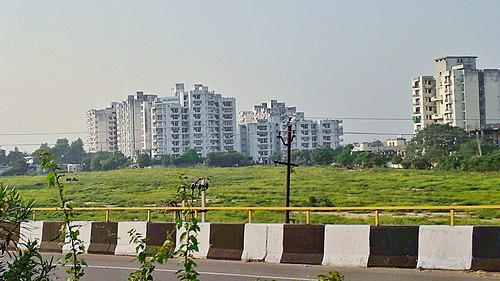
Morādābād is a prominent city situated in the Indian state of Uttar Pradesh, known for its rich cultural heritage and vibrant economy. Established in 1625 by the Mughal emperor Shah Jahan, it has a history interwoven with the architectural grandeur of the Mughal era. The city derives its name from the Persian phrase "Morād Abād," which translates to "Abode of Wishes." Located about 167 kilometers northeast of Delhi, Morādābād serves as a significant urban center within the region, offering strategic connectivity through road and rail networks.
The city is famed as a hub of metal handicrafts, particularly brassware, and is often referred to as the "Brass City." Artisans in Morādābād specialize in crafting intricate products, including decorative items, utensils, and jewelry, which are exported worldwide. This craftsmanship has made the city a focal point for industry and trade, attracting both domestic and international buyers. In addition to brass production, Morādābād's economy is supported by agriculture and small-scale industries. Local festivals, such as Eid and Diwali, reflect the diverse cultural mix of the population, predominantly composed of Hindus and Muslims, further enhancing its character as a melting pot of traditions.
Educationally, Morādābād hosts several institutions, including universities and colleges that contribute to the growth of the local workforce. The city's infrastructure is continually improving, with investments in transportation and public services aimed at upgrading residents' quality of life. With a population exceeding 1.5 million, Morādābād maintains its relevance as a key player in Uttar Pradesh's economic landscape while fostering its unique cultural identity. The city's combination of historical significance, artisan legacy, and ongoing development positions it as an important city in India.
Facts about Morādābād
- Morādābād is famous for its brassware industry, which produces high-quality brass items and has earned the city the nickname 'Brass City'.
- The city has a historic connection with the Indo-Persian culture, evident in its architecture and traditional craftsmanship.
- Morādābād was founded in 1625 by the Mughal governor of the region, Rustam Khan, and has a rich history associated with the Mughal empire.
- The city hosts the 'Morādābād Mela', an annual fair that showcases local handcrafts and cultural performances, attracting visitors from various regions.
- Morādābād is home to the famous 18th-century Jama Masjid, known for its intricate Mughal architectural style and grand prayer hall.
- The city has produced prominent figures in various fields, including literature, politics, and sports, contributing significantly to Indian society.
- Morādābād is strategically located on the banks of the Ramganga River, which provides natural irrigation and boosts local agriculture.
- The city has a vibrant educational landscape, featuring institutions that promote arts, crafts, and traditional skills unique to the region.
- Morādābād is known for its unique cultural festivals, such as Eid and Diwali, which are celebrated with great enthusiasm and communal harmony.
- The local cuisine of Morādābād includes distinct flavors and dishes, particularly meat preparations, making it a culinary hotspot in Northern India.