Morelia, Mexico
- 743,275 people
- 18 places to visit
- 19.706, -101.195
Places to Visit (18)
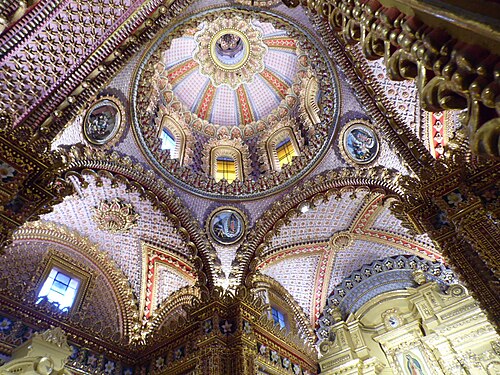
Morelia, the capital city of the state of Michoacán in Mexico, is a place rich in history and cultural heritage. Founded in 1541 as "Valladolid," the city was later renamed in honor of José María Morelos, a key figure in the Mexican War of Independence. Morelia's carefully preserved colonial architecture earned it a designation as a UNESCO World Heritage Site in 1991, with its historic center showcasing remarkable structures such as the Morelia Cathedral, built between the 17th and 19th centuries, and numerous palatial buildings made from pink quarry stone. The city's vibrant atmosphere is enhanced by its well-maintained plazas, charming streets, and its unique blend of indigenous and Spanish influences, reflecting the deep-rooted traditions and cultures present in the region.
The population of Morelia is estimated at around 800,000 residents, making it one of the larger urban centers in Mexico. The economy is supported by a diverse range of sectors, including commerce, education, and tourism, with visitors drawn to its cultural festivals, museums, and culinary offerings. The city is also known for its annual events such as the International Film Festival of Morelia, which attracts filmmakers and cinephiles from across the globe. Morelia is home to several institutions of higher learning, including the prestigious Universidad Michoacana de San Nicolás de Hidalgo, contributing to its reputation as an educational hub. Additionally, the surrounding natural landscapes, such as the nearby forests and the Monarch Butterfly Biosphere Reserve, provide opportunities for ecotourism and outdoor activities, making Morelia a blend of urban and natural attractions.
Facts about Morelia
- Morelia is the capital city of the state of Michoacán and is known for its extensive colonial architecture, including the iconic Morelia Cathedral, a UNESCO World Heritage Site.
- The city is located along the Guayangareo River and features a stunning aqueduct built in the 18th century, which consists of 253 arches and spans over 1,100 meters.
- Morelia is famous for its gastronomy, particularly its carnitas, a traditional pork dish that originated in the region, and is celebrated annually during the Carnitas Festival.
- The city was originally established in 1541 as 'Valladolid' and was renamed Morelia in honor of José María Teclo Morelos y Pavón, a key figure in Mexico's War of Independence.
- Morelia hosts the International Film Festival of Morelia (FICM), which is one of the most prestigious film festivals in Latin America and showcases both national and international films.
- The city's Historic Centre is home to over 200 historic buildings, reflecting a range of architectural styles, mostly from the Spanish Colonial period, making it a significant cultural center.
- Morelia is renowned for its preservation of local traditions, particularly the celebration of Día de Muertos (Day of the Dead), featuring elaborate altars and vibrant festivals.
- The Morelia Zoo, established in 1975, is unique for its focus on the conservation of native species and is home to more than 400 animals from various ecosystems.
- The local artisan craft of making 'cobre de Morelia' (handcrafted copper items) is a distinctive aspect of the city’s cultural heritage, celebrated for its quality and artistry.
- Morelia is known for its vibrant cultural scene, including numerous museums, theaters, and art galleries, making it a hub for artistic expression and cultural exchange in Mexico.