Moreni, Romania
- 20,596 people
- 12 places to visit
- 44.982, 25.6402
Places to Visit (12)
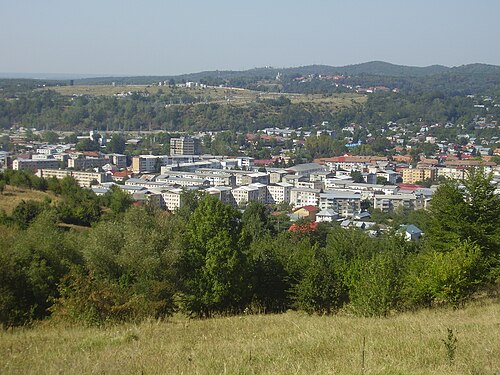
Moreni is a small city located in Dâmbovița County, Romania, nestled in the historical region of Muntenia. It is situated approximately 45 kilometers northwest of Bucharest, the capital of Romania, and lies at the confluence of the Dâmbovița River and its tributaries. Moreni has a population of around 18,000 inhabitants and is primarily known for its industrial background, particularly in oil extraction. The city was officially recognized as a town in 1968, and it has since developed into an important local center for economic activities, particularly in the fields of services and small manufacturing.
Industrialization in Moreni began in the late 19th century with the establishment of oil extraction operations, which significantly shaped the local economy. Oil became a crucial resource during the early 20th century, playing an essential role in Romania's overall economic development. This legacy is evidenced in the infrastructure and architecture of the city, featuring a blend of traditional and modern styles. Besides its industrial prominence, Moreni also offers a glimpse into Romanian culture through its local traditions and community events. The city is home to several educational institutions, including schools and vocational training centers, which contribute to the local workforce's skills development.
Moreni serves as a regional hub for the surrounding villages and municipalities, providing essential services and trade opportunities. Its strategic location near major transportation routes enhances its connectivity to other parts of Romania, facilitating access for both residents and visitors. In recent years, the city has also begun to focus on recreational spaces and improved public amenities to enhance the quality of life for its residents. As Moreni continues to adapt to contemporary challenges, it maintains a balance between its industrial heritage and aspirations for sustainable development, making it a noteworthy municipality within Romania's landscape.
Facts about Moreni
- Moreni is renowned for its historical significance in the oil industry, serving as one of Romania's primary oil extraction centers since the mid-19th century.
- The city is home to the Moreni Cultural Center, which hosts various events and activities highlighting local traditions, crafts, and folklore.
- Moreni is situated near the famous Bucegi Mountains, providing easy access to breathtaking natural landscapes, hiking trails, and outdoor recreational activities.
- The city has a unique architectural style, featuring a blend of 20th-century buildings along with traditional Romanian houses that reflect its historical evolution.
- Moreni hosts the annual 'Days of Moreni' festival, which celebrates local culture, music, and gastronomy, attracting visitors from surrounding areas.
- The Moreni Museum showcases the city's rich heritage, including exhibits dedicated to local history, the oil industry, and prominent figures from the area.
- Moreni is also known for its vibrant sports scene, particularly in football, with local teams actively participating in regional competitions.
- The city has convenient access to several mineral springs, making it a destination for those seeking wellness and therapeutic treatments.
- Moreni is part of Dâmbovița County and plays a significant role in the regional economy due to its industrial base and historic significance in the oil sector.
- The city's diverse population contributes to a multicultural atmosphere, celebrating various traditions and festivals throughout the year.