Moriya, Japan
- 68,777 people
- 8 places to visit
- 35.9515, 139.9756
Places to Visit (8)
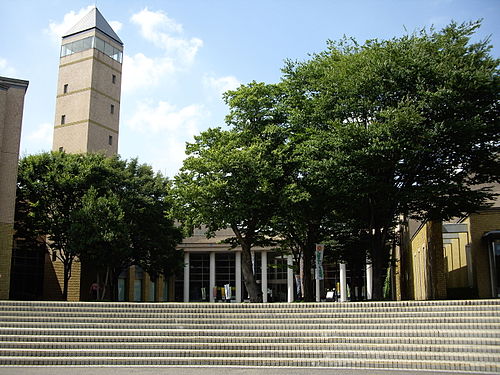
Moriya is a city located in Ibaraki Prefecture, Japan, situated approximately 30 kilometers northeast of Tokyo. It is part of the Greater Tokyo Area and is bordered by the cities of Tsukuba and Tokiwa. Established as a city on April 1, 2008, Moriya was previously known as a town that was formed in 1954 when several neighboring communities merged. The city's population is around 60,000, benefiting from its proximity to Tokyo while maintaining a more suburban and relaxed lifestyle. Moriya is well-connected by public transportation, including the Kantō Railway and several bus routes, making it an attractive location for commuters.
The city is known for its attractive residential areas and notable educational institutions, including schools and facilities catering to various levels of education. Moriya features several parks and recreational areas, providing opportunities for outdoor activities and community gatherings. The natural landscape surrounding Moriya is characterized by rice fields, forests, and rivers, contributing to a serene atmosphere. Additionally, local traditions and festivals enhance the cultural fabric of the city, including events celebrating seasonal changes and traditional Japanese customs. With an emphasis on community development and sustainable growth, Moriya is a place where modern living harmonizes with natural beauty and cultural heritage.
Facts about Moriya
- Moriya is home to the historic Katori Shrine, which is one of the oldest shrines dedicated to the deity Futsunushi, significant in Shinto belief.
- The city is known for its production of agricultural goods, particularly sweet potatoes, which are a local specialty and celebrated in seasonal festivals.
- Moriya has a unique tradition of 'Moriya Sukiyaki,' a local variation of the famous Japanese dish, which incorporates locally sourced vegetables and meats.
- The city celebrates the 'Moriya Tanabata Festival,' a vibrant event that features bamboo decorations and traditional performances, attracting visitors each summer.
- Moriya is strategically located near the Tsukuba Express line, making it easily accessible from Tokyo while maintaining its peaceful rural atmosphere.
- The city has focused on environmental sustainability, evident in its various green initiatives and parks that promote biodiversity in urban settings.
- Moriya is noted for the historic Tonegawa River, which played a crucial role in local trade and culture throughout Japan's Edo period.
- The city hosts the annual 'Moriya Fireworks Festival,' which showcases spectacular fireworks displays on the banks of the Tonegawa River, drawing crowds from surrounding areas.
- Moriya is also recognized for its commitment to art, featuring several public art installations and a thriving community of local artists.
- The city has a unique blend of modern and traditional Japanese architecture, visible in its historic buildings juxtaposed with contemporary urban developments.