Mossoró, Brazil
- 202,005 people
- 18 places to visit
- -5.1919, -37.3424
Places to Visit (18)
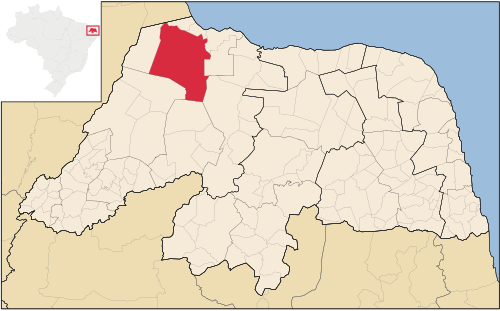
Mossoró is a city located in the state of Rio Grande do Norte, Brazil. It is one of the most important urban centers in the northeastern region of the country, situated approximately 287 kilometers west of the state capital, Natal. With a population of around 300,000 residents, Mossoró serves as a core economic and cultural hub in the area. The city was founded in 1852 and has since developed into a center for agriculture, commerce, and industry, largely benefiting from its strategic location along key transportation routes.
The economy of Mossoró is predominantly driven by agriculture, particularly the production of fruits and vegetables, which are cultivated in the fertile soil of the region. Cassava and cotton are also significant agricultural products that have contributed to the city's development. Additionally, Mossoró has a growing industrial sector, with companies engaged in oil and natural gas exploration, which are vital to the local economy. The city is home to several educational institutions, making it a center for higher education in the region, and it has an active cultural scene that celebrates its rich historical heritage.
Mossoró is renowned for its vibrant cultural events, one of the most notable being the Mossoró City Festival (Carnaval Mossoroense), an annual celebration that showcases local music, dance, and art. The city also has historical significance, known for its role during the War of Independence in the 19th century and the resistance to the cangaço, a bandit lifestyle that plagued parts of northeastern Brazil. Additionally, the popular "Mossoró Cidade Junina" festival, held in June, celebrates traditional northeastern Brazilian festivities, attracting visitors from across the country. With its unique blend of culture, history, and economic diversity, Mossoró remains a key city in Brazil’s northeast, reflecting the dynamic spirit and resilience of its people.
Facts about Mossoró
- Mossoró is known as the 'Land of the Sun' due to its sunny climate and is one of the hottest cities in Brazil.
- The city played a significant role in the 'Revolta de 1930' (Revolution of 1930), being a point of resistance against the central government.
- Mossoró is renowned for its production of salt and is home to one of the largest salt flats in Brazil.
- The city hosts the 'Mossoró City Festival', which features cultural activities, music, and local cuisine, attracting visitors from across the country.
- Mossoró is famous for the 'Cangaceira' culture and was the birthplace of renowned figures like Lampião, a legendary bandit leader in northeastern Brazil.
- It is home to the largest Cashew Tree in the world, the 'Arvore de Cajueiro' in Pirangi, which is a popular tourist attraction nearby.
- Mossoró has a strong agricultural sector and is particularly known for its production of sweet potatoes and other crops.
- The city hosts the 'Mossoró Cidade Junina', one of the largest Junina festivals in Brazil, celebrating traditional northeast culture.
- Mossoró is the first city in Brazil to offer a donation of land for the installation of a Solar Power Plant, promoting renewable energy.
- The historic downtown area features colonial architecture and cultural landmarks, making it a center for tourism and local history.