Mosta, Malta
- 23,482 people
- 16 places to visit
- 35.9094, 14.4259
Places to Visit (16)
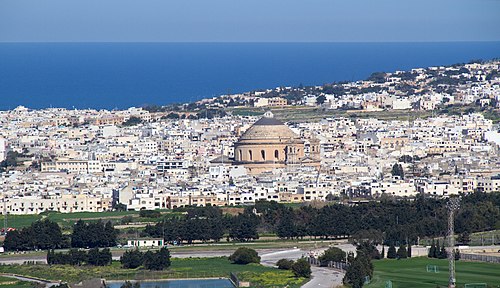
Mosta is a picturesque town located in the central region of Malta, renowned for its rich history, vibrant culture, and architectural marvels. With a population of around 20,000, it is one of the larger towns in Malta and serves as a key residential and commercial hub. The town’s most notable landmark is the Rotunda of Mosta, an impressive church completed in 1860, famous for its large dome—one of the largest in Europe and a significant feature of Maltese architecture. The Rotunda is dedicated to the Assumption of the Blessed Virgin Mary and draws numerous visitors each year, both for its striking design and the miraculous story associated with it during World War II when a bomb fell through the dome but failed to explode, sparing the congregation inside.
Mosta is a blend of historical and contemporary elements, encompassing narrow streets lined with traditional Maltese houses, charming piazzas, and bustling markets. The town hosts several annual events and feasts that highlight its rich cultural heritage. One of the most significant celebrations is the feast of the Assumption in August, during which the Rotunda becomes the center of festivities, attracting both locals and tourists. Additionally, Mosta offers various recreational spaces, including parks and public gardens, contributing to its appeal as a livable town. The local economy is primarily driven by retail and services, while its strategic location allows easy access to other parts of the island, making it convenient for commuting. Mosta also stands as a testament to Malta's layered history, where ancient traditions coexist harmoniously with modern developments.
Facts about Mosta
- Mosta is home to the Mosta Dome, which is one of the largest freestanding domes in Europe, measuring 37 meters in diameter.
- The Mosta Dome, also known as the Rotunda of Mosta, was completed in 1860 and is an architectural marvel inspired by the Pantheon in Rome.
- During World War II, a bomb fell through the dome during a mass in 1942, but it failed to explode, saving the lives of around 300 worshippers.
- Mosta is known for the annual feast of the Assumption, which features a grand procession and fireworks, attracting thousands of visitors each August.
- The town has a rich history dating back to the Roman era, with archaeological remains suggesting it was inhabited long before modern times.
- Mosta has a unique street layout compared to other Maltese towns, featuring two major parallel streets with side roads connecting them.
- The town hosts the Mosta Parish Church, which is noted for its impressive Baroque style and is a key cultural and religious symbol.
- Mosta's population is predominantly Maltese, making it one of the few towns with less significant foreign communities compared to Valletta and Sliema.
- The town features the historic Mosta Clock Tower, which has intricate designs and adds to the unique skyline of the city.
- Mosta was once a center for agriculture, and although it has modernized, it still retains some rural charm and community spirit, setting it apart from urban centers in Malta.