Mosul, Iraq
- 1,683,000 people
- 6 places to visit
- 36.3489, 43.1577
Places to Visit (6)
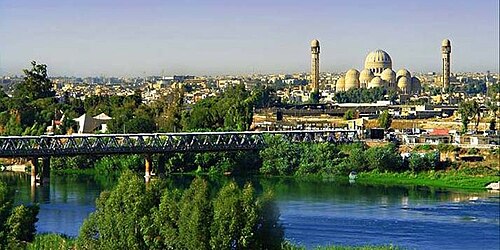
Mosul, a city in northern Iraq, is one of the country’s largest and most historically significant urban centers. Situated on the western bank of the Tigris River, it serves as the capital of Nineveh Governorate. The city has a rich history that dates back to ancient times, with roots linked to the Assyrian civilization. Historically known as Nineveh, it was once the capital of the Neo-Assyrian Empire and is referenced in various biblical texts. The area is home to remarkable archaeological sites, including the remnants of the Nineveh walls and the famed ziggurat of Nergal, which serves as a testament to its importance in antiquity. In addition to its archaeological significance, Mosul’s diverse population has made it a cultural melting pot throughout its history, with a blend of Arab, Kurdish, Turkmen, and Assyrian influences.
Mosul gained international attention in the 21st century due to its occupation by the Islamic State (IS) from 2014 to 2017. During this period, the city endured significant destruction, particularly of its cultural heritage, including the demolition of the Great Mosque of al-Nuri, known for its iconic leaning minaret. The liberation of Mosul in 2017, however, marked a crucial turning point, as Iraqi forces, aided by international coalitions, reclaimed the city. The aftermath of the conflict posed challenges in terms of reconstruction and rehabilitation, but efforts have been ongoing to restore the area and revive its historical sites, along with improving living conditions for its residents. Today, Mosul is on a path of recovery, navigating the complexities of rebuilding both its infrastructure and community while striving to regain its position as a vital center of culture and commerce in Iraq.
In modern times, Mosul is known for its vibrant bazaars and markets, particularly the Old City with its historic architecture. The population is gradually returning, and the city is experiencing a cultural renaissance as artists, musicians, and local entrepreneurs seek to reclaim their heritage. Nevertheless, the scars of conflict are still evident, and the community continues to face socio-economic challenges. With its rich history and ongoing recovery, Mosul remains a significant symbol of resilience and cultural heritage in Iraq, attracting attention from scholars, tourists, and historians eager to learn about its past and witness its revival.
Facts about Mosul
- Mosul is home to the ancient city of Nineveh, which was one of the largest cities in the world during its time and is mentioned in many historical texts and the Bible.
- The Al-Nuri Mosque in Mosul, known for its iconic leaning minaret, was a symbol of the city and suffered significant destruction during the rise of ISIS in 2014.
- Mosul has a rich tradition of literature and is known as a cultural hub; it produced renowned poets and scholars throughout history.
- The city is strategically located on the Tigris River, making it a crucial trade and transportation hub in the region since ancient times.
- Mosul has a diverse population, including Arabs, Kurds, Turkmen, and Christians, reflecting a tapestry of cultures and religions.
- The market in Mosul, known as the 'Old Market' or 'Souq,' is famous for its traditional handicrafts, spices, and fabrics, which showcase the city's commercial heritage.
- The Great Mosque of al-Nuri in Mosul was where ISIS declared its so-called caliphate in 2014, marking a significant event in contemporary history.
- Mosul is renowned for its archaeological significance, with sites that provide insight into the Assyrians' civilization and many artifacts displayed in museums worldwide.
- The city has faced considerable challenges due to conflict but is recognized for its people's resilience and efforts to rebuild and restore its historic sites.
- The cuisine of Mosul is unique, featuring dishes such as Kebabs Mosuli and Masgouf, highlighting the city’s culinary diversity influenced by various cultures.