Motril, Spain
- 60,279 people
- 12 places to visit
- 36.749, -3.518
Places to Visit (12)
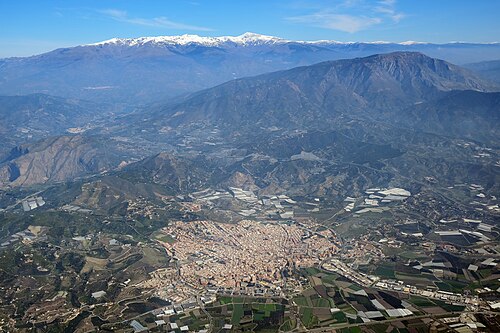
Motril is a coastal city located in the province of Granada, in the autonomous community of Andalusia, Spain. Situated on the Mediterranean Sea, it plays a crucial role as a port and agricultural hub. The city boasts a rich history that dates back to ancient times, with evidence of Roman and Moorish influence evident in its architecture and layout. Motril is particularly well-known for its sugar cane production, a legacy of the area's Moorish past when sugar was a highly prized commodity.
Today, Motril is celebrated for its beautiful beaches, such as Playa de Poniente and Playa de Granada, which attract both domestic and international tourists. The city features a charming blend of modern amenities and historical landmarks, including the 17th-century Church of Our Lady of Sorrows, the 19th-century Sugar Cane Museum, and remnants of the ancient Roman settlements. The local economy is diverse, relying not just on agriculture and tourism, but also on fishing and commerce due to its strategic port. The area benefits from a Mediterranean climate, enhancing its appeal as a year-round destination for visitors seeking sun, sea, and cultural experiences.
In addition to its economic activities, Motril is part of a region renowned for its natural beauty, nestled between the Sierra Nevada mountains and the Mediterranean coastline. This proximity offers residents and visitors alike an array of outdoor activities, including hiking, water sports, and exploring the nearby natural parks. The city also hosts various cultural events and festivals, reflecting the vibrant traditions of Andalusian life, making it an attractive location for those interested in both leisure and heritage. With its unique combination of history, agriculture, and maritime scenery, Motril remains an essential part of Andalusia's cultural and economic landscape.
Facts about Motril
- Motril is known for its production of sugarcane and is often referred to as the 'sugar town' due to its historic sugar industry, which contributed significantly to the local economy.
- The city features a unique blend of Moorish and Andalusian architecture, with landmarks such as the Church of Our Lady of Sorrows and the historic Castillo de Carchuna.
- Motril is located near the Sierra Nevada mountain range, providing not only stunning views but also easy access to skiing in the winter and hiking in the summer.
- The town is home to the famous 'Fiesta de las Cruces,' a vibrant festival held in May, where artistic crosses made of flowers are displayed throughout the city.
- Motril boasts beautiful beaches, including Playa de Poniente, which has been awarded the Blue Flag for its cleanliness and facilities.
- The city is also famous for its wines, particularly the sweet wines known as 'vinos de licor,' which have been produced in the region for centuries.
- Motril has a rich maritime history and is a crucial port for both commercial and leisure boating, connecting to North Africa and other Mediterranean destinations.
- The 'Mosaic of Motril' is an important archaeological site that showcases Roman mosaics, highlighting the city's historical significance during the Roman Empire.
- Motril is part of the Costa Tropical, a coastal area that enjoys a microclimate allowing for the cultivation of tropical fruits like avocados and mangoes.
- An annual event, the 'Festival Internacional de Jazz de Motril,' attracts international artists and promotes jazz music in the region.