Motul, Mexico
- 23,240 people
- 12 places to visit
- 21.0982, -89.28
Places to Visit (12)
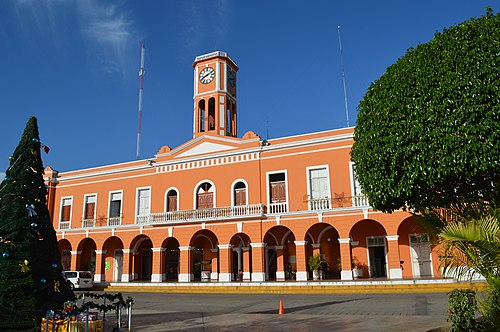
Motul is a small but historically significant city located in the Yucatán Peninsula of Mexico, just northeast of Mérida, the state capital. It is the municipal seat of the Motul Municipality and has a population of approximately 22,000 residents. Known for its rich Mayan heritage, the city thrives on its agricultural economy, particularly in the production of traditional Mexican dishes, such as the famous Motuleño eggs, a local specialty featuring eggs served on fried tortillas with various toppings. The town's vibrant markets reflect this culinary culture, providing a lively atmosphere filled with local artisans and food vendors.
Motul is steeped in history, dating back to its establishment in pre-Columbian times when it was a significant hub for the Maya civilization. The town still bears traces of its ancient past, with archaeological sites in the surrounding areas, including several cenotes and remnants of Mayan structures. The local architecture showcases a blend of colonial and indigenous influences, observable in its churches and public buildings. Notably, the Church of San Juan Bautista, constructed in the 18th century, stands as a testament to the region’s colonial history. Cultural festivities are central to Motul's community life, with events such as the Feast of the Assumption in August, which features parades, music, and traditional dances, drawing both locals and visitors alike.
In recent years, Motul has gained attention for its commitment to preserving its cultural heritage while promoting sustainable tourism. The city’s lush surroundings offer opportunities for eco-tourism, including bird-watching and exploring nearby cenotes. As part of its efforts to enhance local tourism, Motul also engages in initiatives that support its artisans and promote the region’s natural beauty. This blend of history, culture, and agricultural richness makes Motul a unique destination that provides insight into the traditional lifestyle of the Yucatán Peninsula, appealing to those interested in experiencing authentic Mexican culture outside of the more commercialized tourist areas.
Facts about Motul
- Motul is known for its production of the famous Mexican condiment called 'salsa de chile habanero', which is a bright red sauce made from local habanero peppers.
- The city has a rich colonial history, with its church, Parroquia de San Juan Bautista, dating back to the 17th century and showcasing beautiful baroque architecture.
- Motul is recognized as the birthplace of the renowned Yucatecan author and poet, José María A. Pino Suárez, who served as President of Mexico.
- Every year, Motul holds the Fiesta de la Santa Cruz, a unique celebration blending religious traditions with local customs, attracting visitors from all over the region.
- The town is surrounded by numerous cenotes, natural sinkholes filled with water, which were sacred to the ancient Mayans and are now popular destinations for swimming and diving.
- Motul is famously associated with the 'Galleta de Motul', a traditional cookie that is an emblematic treat in the region, known for its unique flavor and texture.
- The city plays an essential role in Yucatan’s agriculture, especially in the production of henequen, which was historically vital for the region's economy.
- Motul has a vibrant market known as 'Mercado Municipal', where visitors can experience local culture through its offerings of fresh produce, crafts, and typical Yucatecan foods.
- The town is home to various archaeological sites and ruins, including remnants of ancient Mayan settlements, distinguishing it as an area rich in pre-Hispanic history.
- Motul's lively festivals, especially the Carnival, feature traditional music, dances, and local gastronomy, showcasing the community's cultural heritage and unity.