Mount Gambier, Australia
- 25,030 people
- 14 places to visit
- -37.8284, 140.7807
Places to Visit (14)
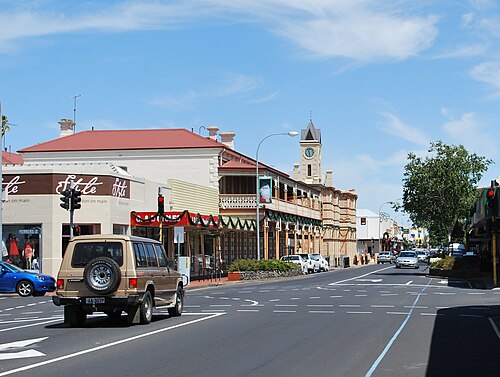
Mount Gambier is a city located in the southeastern part of South Australia, approximately 450 kilometers from Adelaide. With a population of around 30,000 residents, it is the second-largest city in the state outside of the capital. The city is situated on a volcanic landscape, characterized by its unique geological features, including extensive limestone caves, sinkholes, and craters formed through ancient volcanic activity. One of its most notable attractions is the Blue Lake, which is renowned for its striking blue color during the summer months. This natural wonder draws both tourists and locals, serving as a key location for recreational activities such as walking, cycling, and picnicking.
Mount Gambier serves as a regional center for commerce, education, and healthcare for the surrounding agricultural areas. The city has a diverse economy that includes sectors like agriculture, horticulture, timber, and tourism. It is surrounded by rich farmland where crops such as potatoes, carrots, and grapes are grown, contributing to the area's reputation as a hub for food production. The city's cultural scene is enhanced by its various community events, including festivals and markets that celebrate local produce and crafts. Educational facilities in Mount Gambier include primary schools, secondary schools, and campuses of Flinders University and TAFE, catering to the academic needs of the community. The city also boasts a range of sporting facilities and clubs, promoting an active lifestyle for residents. As a gateway to the limestone coast, Mount Gambier offers both visitors and locals a blend of natural beauty, cultural richness, and community spirit, making it a vibrant place to live and explore.
Facts about Mount Gambier
- Mount Gambier is famous for its stunning Blue Lake, which changes color from a vibrant blue in summer to a greyish hue in winter, a unique phenomenon among natural lakes.
- The city is built on a dormant volcanic landscape, featuring several volcanic craters, including the impressive Mount Gambier crater itself, which is one of the largest in Australia.
- Mount Gambier is home to the Umpherston Sinkhole, a former cave that collapsed, now known for its beautiful gardens and as a popular picnic spot.
- The city has a strong limestone culture, with many buildings and landmarks constructed from local limestone, giving Mount Gambier a distinctive architectural style.
- Mount Gambier hosts the annual 'Mount Gambier International Jazz Festival,' attracting music lovers and performers from across the globe, showcasing its vibrant arts scene.
- The city's rich agricultural region is known for producing some of Australia's finest wines, particularly from the nearby Coonawarra wine region.
- Mount Gambier is well-known for its 'Cave Gardens,' a public park featuring a sunken garden surrounded by limestone cliffs and a series of caves and sinkholes.
- The local library, the Mount Gambier Library, is notable for its innovative design and sustainable architecture, setting standards for community facilities in Australia.
- Mount Gambier has a population of approximately 28,000, making it the second largest city in the Limestone Coast region of South Australia, providing a unique blend of urban and rural lifestyle.
- The city has a unique historical significance as it was the site of one of the first inland settlements in South Australia, established in the 1830s, making it a focal point for exploration and agriculture.