Mount Hagen, Papua New Guinea
- 33,623 people
- 3 places to visit
- -5.8582, 144.2429
Places to Visit (3)
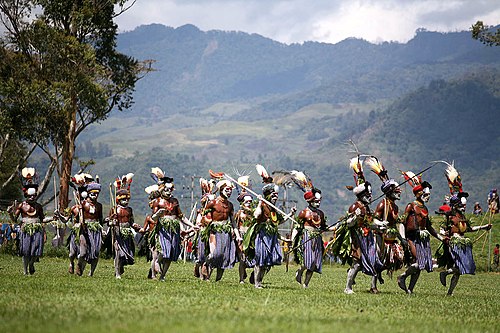
Mount Hagen is a city located in the Western Highlands Province of Papua New Guinea, approximately 335 kilometers northwest of the capital, Port Moresby. Established in the late 1930s, it has evolved into one of the country’s major urban centers. With an elevation of about 1,700 meters, it is situated in a mountainous terrain that contributes to its cooler climate compared to other parts of Papua New Guinea. The city serves as the administrative and economic hub for the Western Highlands region, supporting a diverse population that includes various indigenous groups, each with their own unique languages and cultures.
The economy of Mount Hagen is primarily based on agriculture, with local farmers cultivating crops such as sweet potatoes, coffee, and vegetables, which are vital for subsistence and commercial activities. Mount Hagen is notably recognized for its coffee production, contributing significantly to national exports. The city also benefits from its role as a trading center, where goods are exchanged between rural communities and urban markets. Additionally, the annual Mount Hagen Cultural Show attracts tourists and locals alike, showcasing traditional dances, music, and costumes from various tribes. This event highlights the region’s rich cultural heritage and fosters community pride.
Despite its economic importance, Mount Hagen faces challenges typical of urban environments in Papua New Guinea, including infrastructure development, health services, and education. The city is accessed via road connections, although travel can be arduous due to the mountainous landscape. Mount Hagen’s rich biodiversity, stunning landscapes, and vibrant traditions make it a unique city in Papua New Guinea, embodying the complexities and beauty of Melanesian culture.
Facts about Mount Hagen
- Mount Hagen is the third largest city in Papua New Guinea and serves as the capital of the Western Highlands Province.
- The city is named after the nearby Mount Hagen, a prominent peak in the area, which is part of the Southern Highlands.
- Mount Hagen hosts the annual Mount Hagen Cultural Show, which is one of the largest and most famous cultural festivals in Papua New Guinea, showcasing local tribes' dances and customs.
- The city was developed significantly after World War II and became a key administrative center due to its strategic location.
- Mount Hagen is notable for its vibrant marketplace, where locals sell traditional crafts, produce, and food, reflecting the region’s rich agricultural heritage.
- The region surrounding Mount Hagen is known for its diverse wildlife and rich flora, which attract eco-tourism and nature enthusiasts.
- Unlike many other parts of Papua New Guinea, Mount Hagen is accessible by road from several major cities, making it a critical transportation hub.
- The city lies in the midst of volcanic soil, which makes the surrounding regions highly fertile for agriculture, contributing to the local economy.
- Mount Hagen has a rich cultural tapestry, representing over 30 different ethnic groups and languages, distinct from other cities in the country.
- The area is also known for its coffee production, particularly the Arabica variety, and is part of the Coffee Growing Region of Papua New Guinea.