Mouscron, Belgium
- 52,069 people
- 5 places to visit
- 50.7431, 3.2139
Places to Visit (5)
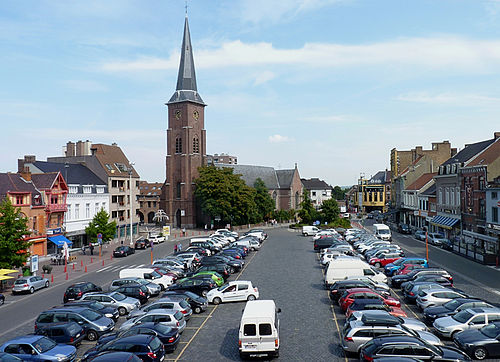
Mouscron is a vibrant city located in the Walloon region of Belgium, in the province of Hainaut. Situated near the border with France, it lies just southwest of the larger city of Kortrijk and approximately 20 kilometers from Lille, France. With a population of around 60,000 residents, Mouscron serves as an important commercial and industrial center in the area, fostering a blend of historical charm and modern development. The city's history can be traced back to the medieval period, with notable growth occurring during the Industrial Revolution when the textile industry became a significant economic driver. Today, Mouscron has diversified its economy, while still retaining some of its historical industries.
The city is characterized by its attractive urban layout, featuring several parks, squares, and cultural landmarks that enhance its community spirit. Among its notable sites is the Saint-Pierre Church, a beautiful neo-Gothic structure that dates back to the 19th century, and the Town Hall with its striking architecture. Mouscron also hosts various cultural events throughout the year, promoting local traditions and arts. With its strategic location, Mouscron benefits from excellent transportation links, including a railway station offering connections to major Belgian cities and neighboring France, making it a convenient base for both residents and visitors. This connectivity, coupled with a rich cultural heritage and a progressive economy, positions Mouscron as a city with considerable potential for growth and development in the coming years.
Facts about Mouscron
- Mouscron is renowned for its unique border location, situated just across the French border from the town of Tourcoing, making it a significant cross-border community.
- The city is known for its historical textile industry, which thrived in the 19th century and shaped much of its cultural and economic development.
- Mouscron hosts the 'Zoute Carp Festival,' a unique culinary event celebrating the local tradition of fishing and featuring carp dishes prepared in various styles.
- The Grand Place of Mouscron is characterized by its impressive architecture, including the Town Hall, which showcases elements of Renaissance style distinct in the region.
- Mouscron is a center for the Belgian soccer team Royal Mouscron-Péruwelz, which has a rich history and passionate local fanbase.
- The city features the historic 'Kasteel d'Arenberg,' a picturesque castle originally built in the 13th century, which is unique to Mouscron's landscape.
- Mouscron's vibrant cultural scene is exemplified by its annual 'Festival of the Arts,' which celebrates local artists and craftsmen, drawing participants from across the region.
- The railway station of Mouscron serves as an important transit hub, providing connectivity to both Belgium and France, distinguishing it from less connected towns.
- Mouscron's local cuisine features specialties like 'Boudin,' a traditional blood sausage, which is particularly associated with the region's culinary heritage.
- The city's commitment to community engagement is evident through various social programs and local initiatives aimed at enhancing the quality of life for residents.