Mülheim, Germany
- 170,921 people
- 50.9664, 7.0038
No places available for this city.
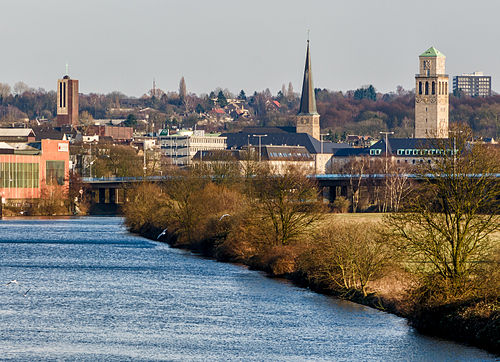
Mülheim an der Ruhr is a vibrant city located in North Rhine-Westphalia, Germany, positioned along the Ruhr River. A part of the larger metropolitan area of the Ruhr, Mülheim is known for its rich industrial heritage, particularly in coal mining and steel production, which played a significant role in the city's development during the 19th and early 20th centuries. Today, it has transitioned from a primarily industrial economy to one that includes a diverse range of sectors such as services, commerce, and technology. The city's strategic location, with easy access to both regional and international transportation networks, has further enhanced its economic prospects.
Mülheim is characterized by its green spaces, including the popular Stadtgarten and the extensive floodplain along the Ruhr. The city's commitment to sustainability is evident in its numerous parks, gardens, and recreational areas, making it an attractive place for residents and visitors. Notable landmarks include the historic church of St. Mary, built in the 13th century, and the iconic Mülheim Castle, which reflects the city's medieval roots. Mülheim also hosts various cultural events, such as the Mülheimer Stadtfest, which celebrates the city's community spirit and lively atmosphere. With a population of around 170,000, Mülheim provides a blend of urban living and natural beauty, appealing for both families and young professionals alike. The city also offers a rich array of educational institutions, including schools and vocational training centers, contributing to a well-educated workforce that meets the demands of various industries in the region.
Facts about Mülheim
- Mülheim is known as the 'Water City' due to its location along the Ruhr River and its extensive network of canals and waterways.
- The city has a significant historical connection to the coal and steel industries, which played a crucial role in its development during the 19th and 20th centuries.
- Mülheim boasts the oldest surviving waterworks in Germany, the 'Mülheim Waterworks', established in 1856, showcasing the city's long history of water management.
- The city is home to the 'Kaiserplatz', a notable public square that hosts various cultural events and markets throughout the year.
- Mülheim's 'Transformation Park' is a unique urban park built on the site of a former coal mine, symbolizing the area's shift from heavy industry to green space.
- Mülheim's MuTh, a cultural center, hosts an array of artistic events and performances, making it a hub for local and international artists.
- The city celebrates its heritage with the 'Mülheimer Wochen', an annual festival that highlights local culture, food, and music, distinct to the region.
- Mülheim is a city of bridges, having over 30 bridges, which connect various districts and are integral to its public transport system.
- Mülheim is recognized for its extensive pedestrian-friendly zones, making it one of the more walkable cities in the Ruhr area.
- The city's proximity to Essen and Duisburg allows it to serve as a central hub for economic and cultural exchange in the Ruhr metropolis.