Mukō, Japan
- 56,859 people
- 11 places to visit
- 34.9487, 135.6984
Places to Visit (11)
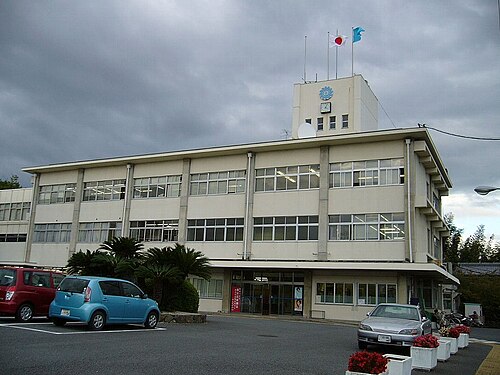
Mukō is a city located in Kyoto Prefecture, Japan, lying just to the west of the ancient capital of Kyoto. Established as a city on October 1, 1970, Mukō has a rich historical background, with roots that trace back to the Heian period. This small city, with a population of approximately 50,000 residents, is known for its proximity to culturally significant sites and natural beauty. Mukō covers an area of about 10.1 square kilometers and is bordered by the Katsura River to the east, which has historically provided a means of transportation and trade.
The city is situated near various landmarks, including the bustling urban environment of Kyoto and the scenic Mt. Sanga. Mukō features several temples and shrines, reflecting its cultural heritage. Among the notable sites is the Mukō Kōyū-ji, a temple that dates back to the 8th century, which is famous for its serene atmosphere and beautiful gardens. In addition to its historical sites, Mukō is also recognized for its annual events, such as local festivals that celebrate its traditions and community spirit. The city’s economy is largely influenced by its residential environment, with many residents commuting to nearby Kyoto for work and recreation.
Moreover, Mukō is well-connected to the greater Kansai region through an efficient public transport system, including train lines that facilitate easy travel to urban centers. The blend of historical significance and convenient access to modern amenities makes Mukō an appealing choice for those seeking a quieter lifestyle without straying too far from the vibrant culture and activities associated with Kyoto. As Mukō continues to evolve, it retains its charm and offers a glimpse into the traditional lifestyle of Japanese society while embracing contemporary urban development.
Facts about Mukō
- Mukō is known for its proximity to the ancient capital of Kyoto, being just across the Kamo River, which makes it a popular residential area for those working or studying in Kyoto.
- The city is famous for the historic Kōsan-ji Temple, which features impressive architecture and is one of the few temples that showcases a fusion of traditional Japanese and Western styles.
- Mukō holds a unique historical event every year – the Mukō Fireworks Festival, which is known for its spectacular displays and attracts visitors from all over the Kansai region.
- The city's name, Mukō, translates to 'beyond' or 'across,' referencing its location across the river from Kyoto, emphasizing its historical ties and cultural exchanges with the old capital.
- Mukō boasts the honorary title of 'City of Auspicious Hair,' due to its historical connection to the hairdressing industry, leading to several traditional barber shops that have remained operational for generations.
- The Mukō Heritage Trail, a walking path that connects significant historical sites and landmarks in the city, showcases the rich cultural heritage unique to the area.
- Mukō is home to the Mukō City Museum, which houses a diverse collection of artifacts and exhibits detailing the area's history and cultural development.
- The city emphasizes community and cultural events, including seasonal festivals that celebrate local traditions, such as the Mukō Daikon Matsuri, recognizing the region's agricultural heritage.
- Mukō is also the birthplace of several notable figures, including influential artists and writers who contributed to Japan's cultural landscape.
- The Mukō area is characterized by its beautiful parks, such as the Mukō Park, which provide lush green spaces for both residents and visitors, differentiating it from more urbanized areas in Japan.