Murcia, Spain
- 460,349 people
- 9 places to visit
- 37.9922, -1.1307
Places to Visit (9)
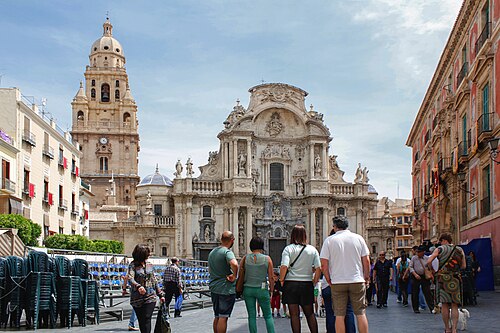
Murcia, located in southeastern Spain, is the capital of the autonomous community of the same name as well as the province of Murcia. This city, situated along the Segura River, has a rich history that dates back over a thousand years, influenced by various cultures including the Romans, Visigoths, and Moors. Its historic center is characterized by a mix of architectural styles, reflecting its diverse past, with notable landmarks such as the Cathedral of Murcia, a stunning example of Baroque design completed in the 18th century, and the Komplexity of Saint Mary, which showcases elements from different periods, including Gothic and Renaissance. The city's old quarter features narrow streets, picturesque squares, and a vibrant atmosphere, making it an emblematic representation of Spanish urban life.
Murcia is also well-known for its agriculture, particularly its production of fruits and vegetables, which thrive in the region's sunny climate and fertile soil. This agricultural abundance has earned the city the title of "the orchard of Europe." The local economy benefits significantly from the agrarian sector, complemented by burgeoning industries such as textiles and technology. Cultural life in Murcia is rich and varied, featuring annual festivals like the Spring Festival and the impressive Semana Santa (Holy Week) celebrations, which attract tourists with their elaborate processions and traditional music. The city's gastronomy is another highlight, with traditional dishes such as "zarangollo" (a scrambled egg dish with zucchini) and "arroz con conejo" (rice with rabbit) showcasing the region's culinary heritage. With its blend of history, culture, and economic vitality, Murcia continues to be a significant yet often overlooked city within Spain, offering visitors a unique glimpse into Spanish life away from the more frequented tourist destinations.
Facts about Murcia
- Murcia is known as the 'Garden of Europe' due to its extensive agriculture and fertile land, particularly famous for producing fruits and vegetables.
- The city has a rich history influenced by various cultures, including Romans, Moors, and Christians, evident in its diverse architecture.
- Murcia's Cathedral, built between the 14th and 18th centuries, features a distinctive baroque bell tower known as 'La Huerta', which is a prominent symbol of the city.
- The Festival of Spring (Feria de Primavera) celebrates the start of the agricultural season with colorful parades, concerts, and traditional food, showcasing the region's agricultural heritage.
- Murcia is home to the famous Huertana, a traditional folk music style that reflects the region's agricultural lifestyle and local customs.
- The city has a unique culinary tradition, including the popular dish 'zarangollo', a scrambled egg dish with zucchini and onion, emblematic of Murcia’s gastronomy.
- The University of Murcia, founded in 1915, is one of the oldest universities in Spain and contributes significantly to the city's vibrant student population and intellectual community.
- Murcia boasts a historic baroque bridge, the Puente de los Peligros, built in the 18th century, showcasing the city's engineering prowess of the era.
- The city celebrates its annual Festival of the Patron Saint, 'Fiestas de Primavera', which is one of the largest festivals in Spain, combining religious processions and secular events.
- Murcia is known for its significant contribution to the Spanish export of citrus fruits, especially lemons and oranges, playing a crucial role in the nation's economy.