Murmansk, Russian Federation
- 295,374 people
- 9 places to visit
- 68.9733, 33.0856
Places to Visit (9)
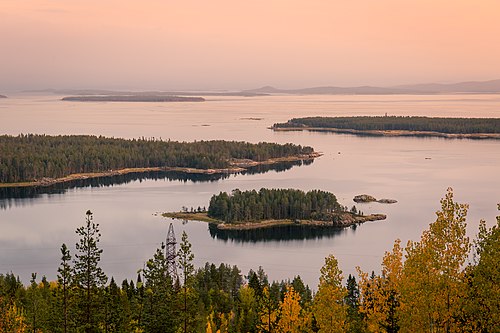
Murmansk is a port city located in the northwestern part of the Russian Federation, specifically within the Murmansk Oblast. Positioned on the Kola Peninsula, it lies near the border with Norway and Finland. The city was founded in 1916, during World War I, primarily as a naval base to support Russian military efforts. Today, it stands as the largest city north of the Arctic Circle, with a population of approximately 300,000 residents. The city’s strategic location along the Barents Sea allows it to remain ice-free throughout the year, making it an essential hub for maritime activities and trade.
The economy of Murmansk is heavily reliant on its maritime industry, including fishing, shipping, and naval operations. The city houses the Northern Fleet of the Russian Navy, which plays a significant role in national defense. Additionally, the region’s rich natural resources, including minerals and fish, contribute to the economic foundation of the area. Murmansk is also known for its role in the nuclear industry, serving as a base for nuclear-powered vessels. The local climate is subarctic, characterized by long, cold winters and short, mild summers. The region experiences polar nights in winter and midnight sun in summer, attracting visitors who seek to experience these unique phenomena.
Culturally, Murmansk reflects a blend of local and Soviet influences. The city features several educational institutions, including Murmansk State Technical University, and offers a range of cultural venues such as theaters and museums. One of the notable landmarks is the Alyosha Monument, which honors the Soviet soldiers who fought during World War II. Additionally, the city hosts various festivals and events that celebrate its Arctic heritage and maritime traditions, drawing attention to its historical significance and diverse cultural landscape. As a vital link in Russia’s Arctic strategy, Murmansk continues to develop its infrastructure and connections with other Arctic nations, positioning itself as an important player in the region's future.
Facts about Murmansk
- Murmansk is the largest city above the Arctic Circle in the world, making it a significant location for Arctic exploration and commerce.
- The city was founded in 1916 as a port for the Russian Navy during World War I, which makes it relatively young compared to other Russian cities.
- Murmansk is home to the world's largest nuclear icebreaker fleet, primarily operated by the Russian government to maintain Arctic shipping routes.
- The city experiences polar nights in winter and midnight sun in summer, with periods of continuous darkness and sunlight that are unique to its geography.
- Murmansk hosts the famous Alyosha Monument, a 35-meter tall statue dedicated to the defenders of the Arctic during World War II, symbolizing the city's role in that conflict.
- The port of Murmansk is ice-free year-round, due to the warm waters of the Gulf Stream, allowing for continuous maritime activity unlike other northern ports.
- The city is also known for its significant fishing industry, particularly for catching cod, haddock, and other fish, contributing to the local and national economy.
- Murmansk has a vibrant cultural scene, featuring the Murmansk Regional Drama Theater and various annual festivals celebrating Arctic culture.
- In 2014, Murmansk hosted the Arctic Forum, which brought together leaders and experts to discuss Arctic development, highlighting its significance as a hub for Arctic affairs.
- As a major military port, Murmansk played a crucial role during the Cold War and remains strategically important for Russia's naval operations in the Arctic.