Musoma, Tanzania
- 164,172 people
- 2 places to visit
- -1.5102, 33.802
Places to Visit (2)
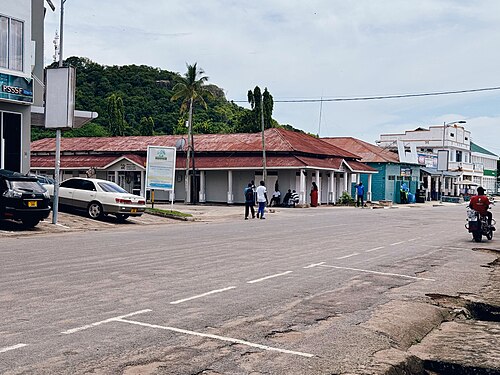
Musoma is a vibrant city located on the eastern shore of Lake Victoria in Tanzania's Mara Region. It serves as the administrative capital of the Musoma District and is one of the significant urban centers in northern Tanzania. Situated about 200 kilometers (approximately 124 miles) northwest of Mwanza, Musoma acts as a vital hub for trade and transport due to its strategic location on the shores of Africa's largest lake. The city is characterized by its rich cultural heritage, influenced by the indigenous Sukuma and the people from surrounding regions, providing a diverse social fabric that reflects various ethnic backgrounds and traditions.
The economy of Musoma is predominantly based on agriculture, fishing, and trade. The fertile lands surrounding the city support the cultivation of crops such as maize, beans, and cassava, while Lake Victoria is a source of livelihood for many fishermen who rely on its rich fish stocks, particularly tilapia and Nile perch. The city also has a burgeoning commercial sector, with markets bustling with local produce, textiles, and crafts, attracting buyers from the surrounding rural areas. As the city continues to grow, infrastructure development has increased, leading to improved health services, educational institutions, and transport facilities. The local economy is bolstered by tourism, as visitors flock to the nearby Serengeti National Park and the Ngorongoro Crater, making Musoma a key stopover for those exploring Tanzania's natural wonders.
Musoma is also notable for its progressive educational landscape, exemplified by various primary and secondary schools, as well as vocational training centers. The city's cultural scene is rich, showcasing traditional music, dance, and festivals that resonate with the community’s heritage. Although it faces challenges typical of rapidly urbanizing areas, such as population growth and resource management, Musoma remains an essential gateway to the natural beauty and wildlife that Tanzania is renowned for, balancing development with the preservation of its cultural identity.
Facts about Musoma
- Musoma is located on the eastern shores of Lake Victoria, making it one of the key ports for fishing and trade in the region.
- The city has a rich history tied to the royal kingdom of the ancient Nyamwezi and was historically a significant stop for traders and travelers.
- Musoma hosts the Musoma Regional Museum, which showcases the cultural heritage of the Kurya people, distinct from other regional museums across Tanzania.
- The annual Musoma Fishing Festival celebrates the local fishing industry and is a major event attracting tourists and locals alike.
- Musoma is known for the production and export of fish, particularly Nile Perch, contributing significantly to the local economy and food chain.
- The city is home to the Catholic Diocese of Musoma, one of the oldest in Tanzania, established in 1936, which reflects the historical spread of Christianity in the region.
- Musoma serves as a crossroads for various ethnic groups, including the Sukuma, Kurya, and Jita, fostering a diverse cultural landscape.
- Musoma is strategically positioned near the border with Kenya, facilitating cross-border trade and cultural exchange, a factor less common in many other Tanzanian cities.
- The town has a notable history of education with several prominent schools and institutions, including the St. Augustine University of Tanzania, which offers higher education distinct from rural and urban centers.
- Musoma's geographical location and its engagement in the fishing industry have spurred the development of a unique culinary scene featuring fresh lake fish dishes, setting it apart from other urban centers in Tanzania.