Mutare, Zimbabwe
- 224,802 people
- 6 places to visit
- -18.9758, 32.6691
Places to Visit (6)
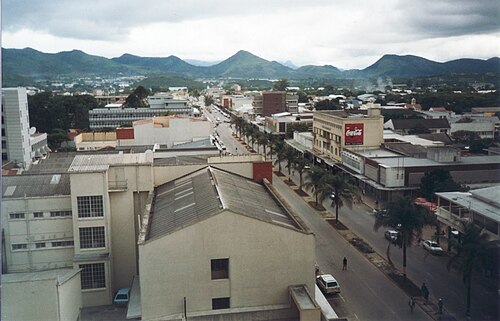
Mutare is a city located in the eastern part of Zimbabwe, near the border with Mozambique. As the fourth largest city in the country, it serves as the capital of Manicaland Province and has a population of approximately 180,000 people. Established during the late 19th century, initially named Fort Umpire, Mutare evolved from a colonial outpost into a significant urban center. Its strategic position along the Harare to Beira corridor enhances its role as a vital transportation hub in the region. The city's economy is predominantly driven by agriculture, manufacturing, and trade, with a focus on industries such as timber, agriculture products, and mining.
The city is surrounded by lush landscapes, characterized by the scenic Eastern Highlands, which attract both tourists and locals. Notable attractions include the nearby Bvumba Mountains, popular for hiking and nature walks, and Vumba Botanical Gardens, a sanctuary for unique flora and fauna. Mutare also hosts cultural festivals and events that celebrate the rich heritage of the diverse ethnic communities residing there. The mix of urban development and natural beauty makes Mutare an appealing location for both business and leisure. Educational institutions, including Mutare Teachers' College and various secondary schools, contribute to the city's role as an educational hub in the region. Despite the economic challenges facing Zimbabwe, Mutare continues to evolve, holding potential for growth in tourism, agriculture, and commerce.
Facts about Mutare
- Mutare is the fourth largest city in Zimbabwe and serves as an important commercial center in the Eastern Highlands.
- The city is known for its picturesque landscapes, nestled in the mountainous terrain with scenic views of the Eastern Highlands.
- Mutare hosts the annual Mutare International Carnival, a vibrant event celebrating local culture, music, and arts, setting it apart from other cities.
- The city was founded in 1890 and has a rich colonial history, reflected in its architecture and urban layout.
- Mutare is home to the Mutare Museum, which showcases the region's history, culture, and natural heritage, making it a cultural hub.
- It serves as a gateway to the nearby Vumba Mountains, a popular destination for hiking, birdwatching, and eco-tourism, distinguishing it from other urban areas.
- Mutare is also the site of the famous Mutare River, which offers recreational activities such as fishing and canoeing.
- The city features the Chimoio Fountains, an iconic landmark that draws both locals and tourists, symbolizing the city’s heritage.
- Mutare was the first city in Zimbabwe to implement a local-based recycling program, showcasing its commitment to environmental sustainability.
- The city has a diverse community, with a significant presence of various ethnic groups, adding to its rich cultural tapestry.